✓ Food processors can save hours in meal prep, from chopping vegetables to kneading dough.
✓ Bowl capacity, motor power, and blade variety are key considerations for home use.
✓ Modern food processors offer versatility, acting as choppers, shredders, slicers, and even blenders.
✓ Investing in a quality food processor can significantly elevate your home cooking experience.
How It Works
1
Assemble Components
Place the desired blade or disc onto the central spindle inside the work bowl. Secure the lid firmly, ensuring all safety latches are engaged.
2
Add Ingredients
Feed ingredients through the feed chute or place them directly into the work bowl, depending on the task. Avoid overfilling to ensure optimal performance.
3
Process Food
Select the appropriate speed (pulse, low, high) and activate the motor. Use short pulses for coarse chopping or continuous processing for finer textures.
4
Remove & Clean
Once processing is complete, carefully remove the lid and blade, then empty the contents. Disassemble and wash components, often dishwasher-safe, for easy cleanup.
Why a Food Processor is a Game-Changer for Home Cooks
Photo: Eva Bronzini / Pexels
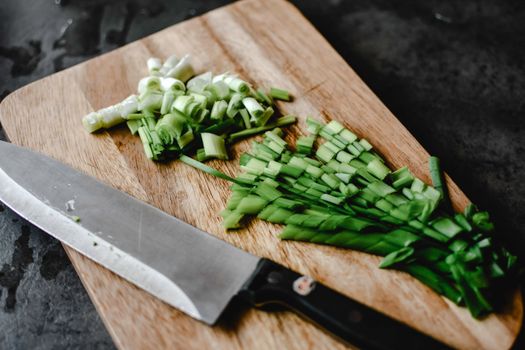
For many home cooks, the thought of tedious chopping, endless slicing, and labor-intensive dough kneading can often deter them from attempting ambitious recipes or even preparing healthy meals from scratch. This is precisely where the best food processor for home use steps in as an indispensable kitchen workhorse. More than just a simple gadget, a high-quality food processor is a multi-functional culinary assistant designed to drastically cut down on prep time, making healthy eating and gourmet cooking accessible to everyone, regardless of their culinary skill level. Imagine effortlessly dicing an entire onion in seconds, shredding a block of cheese for a family lasagna in mere moments, or pureeing a silky-smooth soup without breaking a sweat. This efficiency doesn't just save time; it also encourages experimentation with new recipes and techniques that might otherwise seem too daunting.
The true power of a food processor lies in its versatility. While its primary function is often associated with chopping and slicing, modern models are engineered to perform a wide array of tasks. From emulsifying creamy dressings and sauces to kneading bread dough with minimal effort, and even grinding nuts or making homemade nut butters, its capabilities extend far beyond basic food preparation. This means fewer specialized gadgets cluttering your countertops and more space for creativity in your kitchen. For instance, instead of buying pre-shredded cheese, which often contains anti-caking agents, you can shred your own fresh cheese in seconds, enjoying superior flavor and texture. Similarly, crafting homemade hummus or pesto becomes a five-minute task rather than a laborious chore, guaranteeing fresher ingredients and customized flavors.
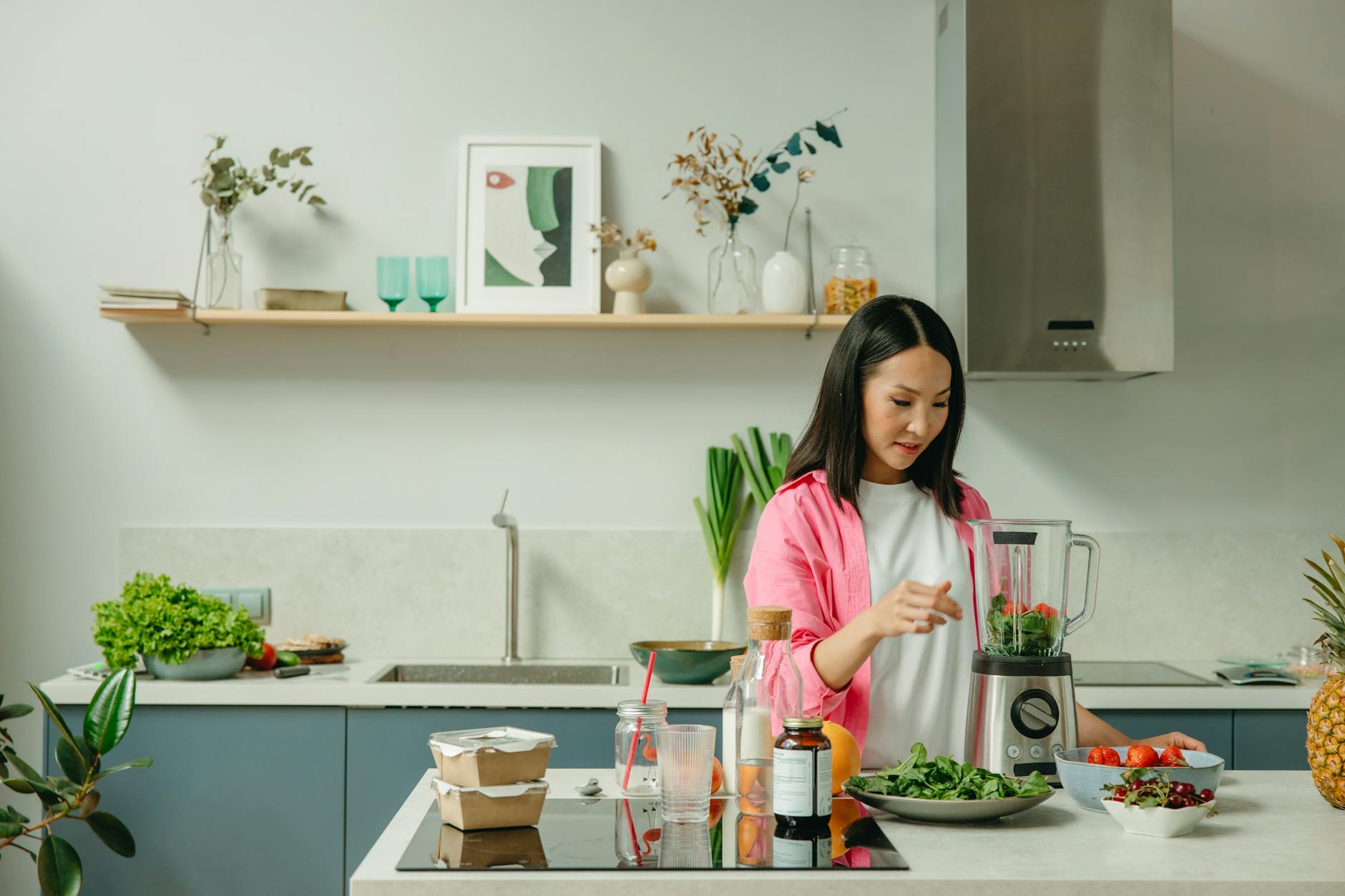
Beyond convenience, a food processor contributes significantly to a healthier lifestyle. By simplifying the preparation of fresh fruits and vegetables, it encourages incorporating more whole foods into your diet. You can easily make large batches of vegetable purees for baby food, prepare finely chopped ingredients for a stir-fry, or even create vibrant fruit sorbets. This empowerment to prepare wholesome meals from scratch has a direct positive impact on dietary choices and overall well-being. Furthermore, for those with dietary restrictions or allergies, a food processor is invaluable, allowing precise control over ingredients and avoiding hidden additives. It transforms the kitchen into a hub of culinary possibility, making healthy, delicious, and homemade meals a consistent reality rather than an occasional treat. For more tips on making healthy choices, explore our guide on healthy eating on a budget.
Key Features to Look for in the Best Food Processor
Photo: cottonbro studio / Pexels
When searching for the best food processor for home use, it's crucial to understand that not all models are created equal. The market is flooded with options, each boasting different features and specifications. To make an informed decision, you need to prioritize what truly matters for your specific cooking habits and kitchen needs. The first and arguably most important consideration is motor power. Measured in watts or horsepower, a more powerful motor (typically 600 watts and above for full-sized models) can handle tougher ingredients like dense vegetables, hard cheeses, or even dough without bogging down or overheating. A robust motor ensures efficiency and longevity, preventing frustrating stalls mid-prep.
Next, consider the work bowl capacity. Food processors come in various sizes, ranging from compact 3-cup models to expansive 16-cup behemoths. For most home cooks, a 10 to 14-cup capacity is ideal, offering enough space for family-sized meals without being overly bulky for storage. If you frequently cook for one or two, or have limited counter space, a smaller 7-cup model might suffice. Conversely, if you often entertain or batch cook, a larger capacity will save you from processing in multiple rounds.
Blade and disc variety is another critical factor. A good food processor will typically come with a standard S-blade for chopping, mixing, and pureeing. Beyond that, look for models that include reversible shredding discs (fine and coarse), slicing discs (thin and thick), and a dough blade. Some premium models might even offer julienne discs, whisk attachments, or citrus juicers, further expanding their utility. The quality of these blades, usually stainless steel, directly impacts performance and durability.
Ease of cleaning and assembly cannot be overstated. A food processor with too many intricate parts or difficult-to-reach crevices can quickly become a hassle, discouraging frequent use. Look for models with dishwasher-safe components and intuitive assembly. Wide feed chutes are also a bonus, as they reduce the need to pre-cut ingredients, saving even more time. Finally, safety features such as interlocking lids and non-slip bases are paramount, ensuring secure operation during high-speed tasks. Considering these features will guide you towards a food processor that truly enhances your culinary journey.
Top Contenders: Our Picks for the Best Food Processor for Home Use
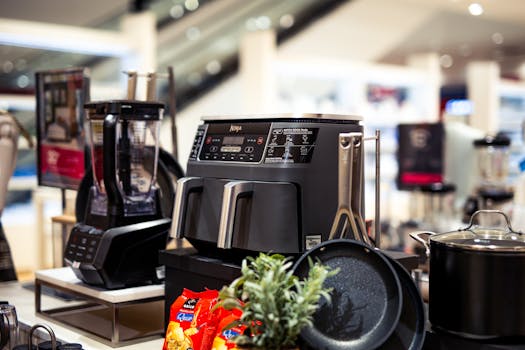
Photo: Julio Mantilla / Pexels
Navigating the vast landscape of kitchen appliances to find the best food processor for home use can be overwhelming. To simplify your decision, we've meticulously evaluated several top-performing models based on power, capacity, versatility, ease of use, and durability, considering the needs of an average home cook. While individual preferences vary, these selections consistently stand out for their exceptional performance and value.
**Cuisinart Custom 14-Cup Food Processor:** Often considered the gold standard, the Cuisinart DFP-14BCNY (or similar 14-cup models) is a perennial favorite. Its powerful induction motor (typically 720-watt) is incredibly robust, handling everything from tough root vegetables to sticky doughs with ease. The large 14-cup work bowl is perfect for family meals or batch cooking. It comes with a stainless steel S-blade, a slicing disc, and a shredding disc, providing excellent versatility. Its simple, durable design with intuitive controls makes it incredibly user-friendly, and most parts are dishwasher safe. While it may lack some of the fancy digital interfaces of newer models, its consistent, reliable performance and build quality make it a top contender for serious home cooks.
**Breville Sous Chef 12-Cup Food Processor:** For those seeking a more modern aesthetic and additional features, the Breville Sous Chef 12-Cup (or 16-Cup) is an excellent choice. It boasts a powerful 1000-watt motor and a wide feed chute that can accommodate whole fruits and vegetables, significantly reducing pre-chopping. What truly sets Breville apart is its comprehensive set of accessories, including an adjustable slicing disc (allowing you to choose slice thickness), a reversible shredding disc, a mini processing bowl for smaller tasks, and a dough blade. The intuitive LCD display with timer and robust construction further justify its premium price point. It's a powerhouse that brings professional-grade features to the home kitchen.
**KitchenAid 9-Cup Food Processor:** A great mid-range option, the KitchenAid 9-Cup Food Processor strikes a fantastic balance between performance, capacity, and value. Its 3-in-1 feed tube design allows for processing various sizes of ingredients, and its simple, one-click assembly makes it incredibly easy to use. It typically comes with a multi-purpose blade, a reversible shredding disc, and a slicing disc. The compact footprint is ideal for smaller kitchens, yet its 9-cup capacity is ample for most daily cooking tasks. It's known for its sturdy build and stylish design, fitting seamlessly into any KitchenAid-centric kitchen.
**Ninja Professional Food Processor (various models):** For those on a tighter budget or with limited space, many Ninja food processor models offer impressive power and versatility at a more accessible price point. While they might not always offer the same robust build quality as Cuisinart or Breville, their stacked blade designs are highly effective for chopping, blending, and pureeing. Many Ninja systems also include blender pitchers, offering a 2-in-1 solution. They are excellent for everyday tasks and for cooks who prioritize blending functions alongside food processing. When considering your purchase, always weigh these options against your specific cooking frequency, desired capacity, and budget. For more kitchen essentials, check out our guide to essential kitchen gadgets for beginners.
Maximizing Your Food Processor: Tips and Common Mistakes to Avoid
Photo: Marta K / Pexels
Acquiring the best food processor for home use is just the first step; truly mastering it involves understanding how to maximize its potential and, equally important, how to avoid common pitfalls. Many users only scratch the surface of their food processor's capabilities, limiting it to basic chopping. By adopting a few key strategies and being aware of common mistakes, you can unlock its full power and transform your cooking experience.
**Tips for Maximizing Your Food Processor:**
* **Understand Your Blades and Discs:** Don't just stick to the S-blade. Experiment with the slicing, shredding, and dough blades. Each is designed for a specific task and will yield superior results. For example, the dough blade makes quick work of pizza or bread dough, while the shredding disc can prepare mountains of cabbage for coleslaw in minutes.
* **Utilize the Pulse Function:** The pulse button is your best friend for precise control. Instead of continuous processing, use short pulses to achieve desired textures for chopping nuts, dicing vegetables, or making salsa. This prevents over-processing and turning ingredients into mush.
* **Cut Ingredients to Fit the Feed Chute:** While some wide-chute models can handle whole items, for most, pre-cutting larger ingredients into pieces that fit comfortably down the feed chute ensures even processing and prevents the motor from straining.
* **Process Similar Textures Together:** For best results, process ingredients with similar hardness and moisture content together. If you're making a salsa, process onions and peppers separately from softer tomatoes, then combine.
* **Emulsify Dressings and Sauces:** Use the small opening in the feed chute while the processor is running to slowly drizzle in oil for mayonnaise, aioli, or vinaigrettes. This creates stable, creamy emulsions.
* **Make Your Own Flours and Butters:** With a powerful motor, you can grind oats into oat flour, nuts into nut flours, or even make fresh nut butters. This is often more cost-effective and allows for custom flavors.
**Common Mistakes to Avoid:**
* **Overfilling the Work Bowl:** Stuffing the bowl to the brim prevents ingredients from circulating properly, leading to uneven processing and potential motor strain. Follow the maximum fill lines indicated on your bowl.
* **Not Locking the Lid Properly:** Safety mechanisms are in place for a reason. Ensure the lid is securely locked and the feed chute pusher is in place before operating. Forcing the machine to run without proper assembly is dangerous and can damage the unit.
* **Processing Hot Liquids:** Never put boiling hot liquids directly into the food processor. The steam can build pressure, causing the lid to blow off. Allow liquids to cool significantly before pureeing.
* **Ignoring Cleaning Instructions:** While many parts are dishwasher safe, some might require hand washing. Always refer to your manual to ensure proper cleaning and prevent damage or dulling of blades.
* **Not Using the Pusher:** The feed chute pusher isn't just for safety; it helps guide ingredients evenly onto the blades for consistent slicing or shredding. Don't use your hand or other utensils.
* **Expecting it to Be a Blender:** While some food processors can blend, they aren't designed for the same tasks as a dedicated high-speed blender, especially for very smooth purees or smoothies. Their wider, shorter bowls and different blade designs are optimized for chopping and mixing solids.
Comparison
Feature
Cuisinart Custom 14-Cup
Breville Sous Chef 12-Cup
KitchenAid 9-Cup
Motor Power (Watts)
720W
1000W
300W (approx)
Capacity (Cups)
14-Cup
12-Cup (with 2.5-cup mini bowl)
9-Cup
Feed Chute
Standard
Extra-Wide
3-in-1 Wide
Adjustable Slicing
✗
✓
✗
Dough Blade
✓
✓
✓
Dishwasher Safe Parts
✓
✓
✓
Price Range (USD)
$$
$$$
$$
What Readers Say
★★★★★
"My Cuisinart 14-cup is truly the best food processor for home use I've ever owned. It tackles everything from shredding carrots to kneading pizza dough without a hitch. It's a sturdy workhorse that has saved me countless hours in the kitchen."
Sarah J. · Austin, TX
★★★★★
"The Breville Sous Chef is an absolute game-changer. The wide feed chute means less pre-chopping, and the adjustable slicing disc is pure genius. I'm making gourmet meals faster than ever before."
Mark P. · Seattle, WA
★★★★★
"I bought the KitchenAid 9-cup, and it's perfect for my small family. It's powerful enough for most tasks, easy to clean, and doesn't take up too much counter space. My homemade hummus has never been smoother!"
Emily R. · Denver, CO
★★★★★
"While the Ninja food processor is great for its price and handles chopping well, I do find myself wishing for a more robust slicing disc like some of the higher-end models. Still, for everyday purees and quick chopping, it's fantastic."
David L. · Miami, FL
★★★★★
"As a baker, finding the best food processor for home use that can handle dough was crucial. My Cuisinart kneads bread dough perfectly in minutes, and I also use it to make pie crusts. It's incredibly versatile and a true kitchen essential."
Jessica M. · Chicago, IL
Frequently Asked Questions
What is the ideal food processor size for a family of four?
For a family of four, a food processor with a 10 to 14-cup capacity is generally recommended. This size provides ample space for processing ingredients for full meals, such as shredding cheese for lasagna, slicing vegetables for a stir-fry, or making large batches of dough, without requiring you to work in multiple small batches.
Are food processors difficult to clean?
Most modern food processors are designed for easy cleaning. Many models feature dishwasher-safe work bowls, lids, and blades, which significantly simplifies post-meal cleanup. Look for models with minimal crevices and simple assembly for the easiest maintenance.
How do I choose between a food processor and a blender?
A food processor excels at tasks involving solid foods like chopping, slicing, shredding, and kneading dough. A blender, conversely, is primarily designed for liquids, creating smooth purees, smoothies, and soups. While some overlap exists, if your main goal is solid food prep, a food processor is the better choice; for drinks and very smooth purees, opt for a blender. Some brands offer versatile systems that combine both.
How much should I expect to spend on a good food processor for home use?
The price of a good food processor for home use can range significantly. Entry-level models with decent power might start around $50-$100, while mid-range, high-performance options typically fall between $150-$300. Premium, professional-grade models with extensive features and robust motors can cost upwards of $300-$500. Your budget should align with your intended frequency of use and the types of tasks you plan to perform.
Can a food processor replace all my knives?
While a food processor can certainly reduce your reliance on knives for many tasks like chopping, slicing, and dicing, it cannot entirely replace them. For intricate cuts, fine mincing, or precise segmenting, a good chef's knife and proper knife skills remain essential. A food processor is best seen as a powerful complement to your knife skills, handling bulk prep efficiently.
Who benefits most from owning a food processor?
Home cooks who frequently prepare meals from scratch, those who enjoy baking, individuals with busy schedules looking to save prep time, and anyone aiming to incorporate more fresh, whole ingredients into their diet will benefit immensely from a food processor. It's particularly useful for batch cooking, entertaining, or families with specific dietary needs.
Are food processors safe to use?
Yes, modern food processors are designed with multiple safety features, including interlocking lids and bowls that prevent the motor from operating unless all components are correctly assembled. Always ensure the lid is securely locked and use the provided food pusher, never your hands, when feeding ingredients through the chute to ensure safe operation.
What new innovations are coming to food processors?
Future innovations in food processors are likely to focus on even smarter technology, such as integrated scales for precise measurements, AI-driven pre-programmed settings for specific recipes, and enhanced connectivity with smart kitchen ecosystems. We might also see more advanced blade materials for sharper, longer-lasting performance and even quieter, more energy-efficient motors, making them even more indispensable in the modern kitchen.
Choosing the best food processor for home use is an investment in your culinary journey, offering unparalleled convenience and versatility. Take the leap and discover how this powerful appliance can revolutionize your meal preparation, giving you more time to savor delicious, homemade food. Your perfect kitchen companion awaits!