
Unlock Rich Flavor: Best Coffee Beans for French Press
Master the art of French press brewing by selecting the perfect beans for an unparalleled coffee experience.
Find Your Perfect BeanKey Takeaways
- ✓ Coarse grind is essential for French press to prevent over-extraction and sludge.
- ✓ Medium to dark roasts often excel in French press, enhancing body and richness.
- ✓ Single-origin beans can highlight unique flavor profiles when brewed this way.
- ✓ Freshly roasted beans, ground just before brewing, dramatically improve taste.
How It Works
Choose beans with flavor notes you enjoy, keeping in mind that French press amplifies body and oils. Consider origins known for richness like Sumatra or Brazil.
Use a burr grinder to achieve a uniform, coarse grind resembling sea salt. This prevents fine particles from slipping through the mesh filter and creating bitterness.
Add your coarse grounds to the French press, pour hot (not boiling) water over them, and steep for 4 minutes. This allows for optimal extraction without over-extraction.
Gently press the plunger down slowly and steadily. Serve immediately to prevent continued extraction, which can lead to a more bitter cup.
Understanding the French Press: Why Bean Choice Matters
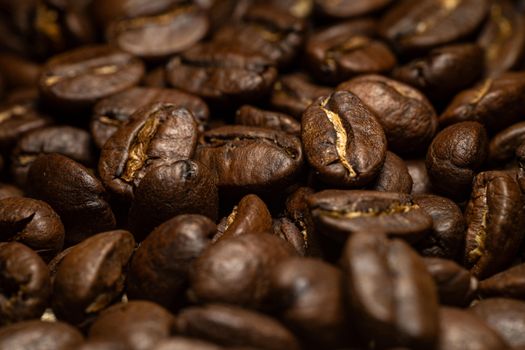 Photo: Ignacio Vazquez / Pexels
When selecting the best coffee beans for your French press, you're not just picking a flavor; you're choosing a coffee that will thrive under these specific conditions. Beans that are too delicate or lightly roasted might get lost in the intensity, resulting in a thin or underdeveloped taste. Conversely, beans that are inherently very bitter or have an overwhelming acidity can be amplified in an undesirable way. The ideal French press bean is one that offers a robust flavor profile, good body, and a pleasant aroma that can be fully expressed through this brewing method. Considerations like origin, roast level, and even processing method all contribute to how a bean will perform. For instance, natural processed coffees, often fruitier and more complex, can truly shine, while washed coffees might offer a cleaner, brighter experience. The goal is to find beans that provide a harmonious balance of flavor, acidity, and body, creating that quintessential French press experience – bold, luxurious, and deeply satisfying. It's about letting the bean's inherent qualities sing, unhindered by excessive filtration, and allowing its full spectrum of flavors to be enjoyed in every sip. This deep dive into bean selection is the first crucial step towards mastering your French press brew.
The Ideal Roast Levels and Origins for French Press Coffee
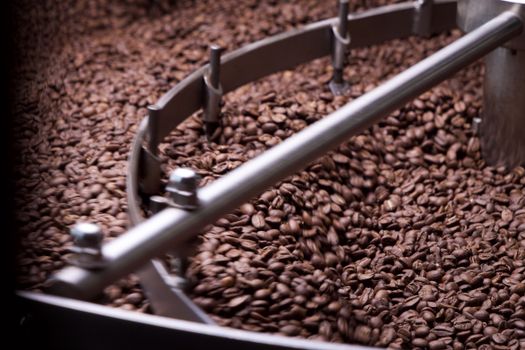 Photo: Hannoversche Kaffeemanufaktur / Pexels
Light roasts, while excellent for pour-over or AeroPress to highlight bright, delicate notes, can sometimes fall flat in a French press. The full immersion and lack of paper filtration might over-extract the more delicate acids, leading to an unbalanced or thin taste. However, for adventurous palates, a carefully selected light roast with inherent sweetness and complexity can offer a surprisingly vibrant and unique French press experience. It largely depends on the specific bean and its individual characteristics.
Regarding origins, certain regions consistently produce beans that are exceptionally well-suited for French press. Brazilian coffees are a perennial favorite, known for their low acidity, heavy body, and notes of chocolate, nuts, and caramel – profiles that are amplified beautifully in a French press. Sumatran beans (from Indonesia) are another excellent choice, celebrated for their earthy, full-bodied, and often spicy or woody notes, which translate into a wonderfully robust and complex French press. Colombian coffees, with their balanced acidity, medium body, and notes of chocolate and citrus, also perform admirably, offering a versatile and consistently satisfying cup. Ethiopian Yirgacheffe or Sidamo beans, particularly when medium-roasted, can deliver a surprisingly vibrant and aromatic French press, showcasing their floral and fruity notes with an added layer of body. Ultimately, experimenting with different origins within the medium to dark roast spectrum will help you discover your personal preference for the ultimate French press experience.
Whole Bean vs. Pre-Ground: The Grind is Key for French Press
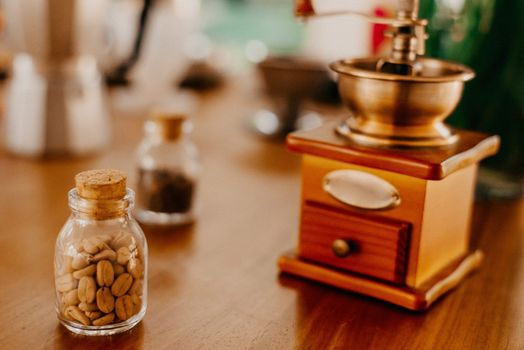 Photo: Jonathan Borba / Pexels
Beyond freshness, the control over grind size is another non-negotiable advantage of grinding your own beans. For French press, a coarse, uniform grind is absolutely essential. The ideal consistency resembles coarse sea salt or breadcrumbs. If the grind is too fine, several problems arise: firstly, fine particles can pass through the mesh filter, leading to a muddy, silty cup (often referred to as 'sludge' at the bottom). Secondly, fine grounds have a larger surface area, leading to over-extraction during the prolonged steep time. This results in an overly bitter, harsh, and unpleasant taste. Conversely, if the grind is too coarse, the coffee might be under-extracted, leading to a weak, sour, or watery brew.
Achieving this consistent coarse grind requires a quality burr grinder. Blade grinders, while common, 'chop' beans inconsistently, creating a mix of fine dust and large chunks. This inconsistency leads to uneven extraction – the fines over-extract, and the large pieces under-extract – making it impossible to brew a balanced cup. A burr grinder, whether manual or electric, crushes the beans between two abrasive surfaces, producing a much more uniform particle size. This uniformity is crucial for even extraction and a clean cup in your French press. Investing in a good burr grinder is arguably as important as choosing high-quality beans when you're aiming for the best possible French press coffee. It allows you to tailor the grind precisely to your beans and brewing preferences, unlocking their full potential. For more on coffee equipment, explore essential coffee brewing tools.
Tips for Brewing the Perfect French Press & Mistakes to Avoid
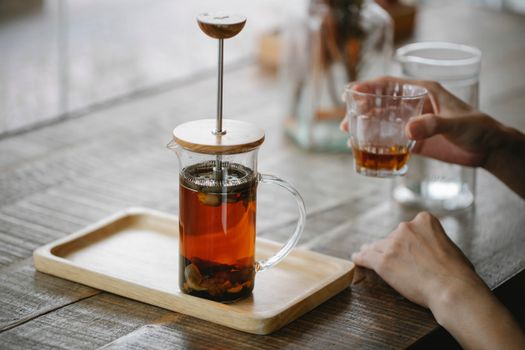 Photo: Charlotte May / Pexels
Tips for Perfection:
- Water Temperature is Crucial: Use water just off the boil, ideally between 195°F and 205°F (90°C-96°C). Boiling water can scorch the grounds, leading to a bitter taste, while water that's too cool will under-extract.
- Pre-heat Your French Press: Pour some hot water into your French press and let it sit for a minute before discarding. This helps maintain the brewing temperature, ensuring consistent extraction.
- Accurate Coffee-to-Water Ratio: A good starting point is a 1:15 ratio (1 part coffee to 15 parts water). For example, if you use 30 grams of coffee, you'd use 450 ml of water. Adjust to your taste preference.
- The Bloom: After adding your hot water, pour just enough to saturate the grounds and let it sit for 30 seconds. This allows the coffee to 'bloom' by releasing trapped CO2, leading to a more even extraction and better flavor.
- Stir Gently: After the bloom, add the remaining water and give the grounds a gentle stir to ensure all coffee particles are fully saturated.
- Optimal Steep Time: Aim for 4 minutes of steeping. This is a widely accepted sweet spot, but feel free to experiment between 3-5 minutes to find your ideal strength.
- Serve Immediately: Once plunged, pour all the coffee into a separate carafe or cups. Leaving coffee in the French press continues the extraction process, leading to over-extraction and bitterness.
Mistakes to Avoid:
- Using Pre-Ground Coffee: As discussed, this leads to stale flavors and an inconsistent grind.
- Grinding Too Fine: Results in muddy coffee and over-extraction.
- Using Boiling Water: Scorches the coffee, creating bitterness.
- Plunging Too Fast or Forcefully: Can force fine particles through the filter and agitate the grounds unnecessarily, leading to a cloudy cup. Plunge slowly and steadily.
- Not Cleaning Thoroughly: Residual coffee oils can turn rancid and impart off-flavors to subsequent brews. Disassemble and clean your French press thoroughly after each use.
Comparison
| Feature | Brazilian Medium Roast | Sumatran Dark Roast | Colombian Medium-Dark |
|---|---|---|---|
| Flavor Profile | Chocolate, Nutty, Caramel | Earthy, Woody, Spicy | Balanced, Chocolate, Citrus |
| Body | Full, Heavy | Very Full, Syrupy | Medium-Full |
| Acidity | Low | Very Low | Medium |
| Best For | Smooth, Classic Cup | Bold, Robust Experience | Versatile Daily Brew |
What Readers Say
"I switched to a medium-dark Brazilian bean for my French press, and it's a game-changer. The chocolate notes are so rich, and there's no bitterness at all. My morning coffee is finally perfect!"
Sarah L. · Austin, TX"After trying countless beans, I found that a coarsely ground Sumatran dark roast makes the best coffee for my French press. It's incredibly full-bodied and has this wonderful earthy depth that I crave."
Mark D. · Seattle, WA"My French press coffee went from good to amazing once I started using freshly ground Colombian beans. The difference in aroma and the clean, balanced taste is just incredible; I get consistently delicious results."
Jessica R. · Denver, CO"I've been experimenting with a medium roast Ethiopian Yirgacheffe in my French press. While it's a bit brighter than my usual, the floral notes really come through, making for a unique and surprisingly delightful cup."
Tom K. · Chicago, IL"As a cold brew enthusiast using a French press, finding the right beans was crucial. A dark roast from Sumatra, coarsely ground, gives me the richest, smoothest cold brew concentrate I've ever made. Highly recommend!"
Emily P. · Portland, ORFrequently Asked Questions
What roast level is best for French press coffee?
Medium to dark roasts are generally considered best for French press. Medium roasts offer balance and highlight the bean's natural sweetness and acidity, while dark roasts provide a bold, rich, and full-bodied cup with notes of chocolate and nuts. Lighter roasts can sometimes be too acidic or thin in a French press.
Can I use pre-ground coffee in a French press?
While you can technically use pre-ground coffee, it's highly discouraged for French press. Pre-ground coffee is usually too fine, leading to a muddy, over-extracted, and bitter cup. It also loses freshness rapidly. For the best results, use whole beans and grind them coarsely just before brewing.
How coarse should the grind be for French press?
The ideal grind for French press should be very coarse, resembling sea salt or breadcrumbs. It's crucial to use a burr grinder for consistency, as an inconsistent grind (too many fines or large chunks) will lead to uneven extraction and a less enjoyable cup.
Do expensive coffee beans make a difference in French press?
Yes, generally, higher-quality, specialty coffee beans will yield a significantly better French press experience. These beans often have more nuanced flavor profiles, are more carefully processed, and are roasted with greater precision. While you don't need the absolute most expensive, investing in quality whole beans is worth it.
How does French press coffee compare to drip coffee?
French press coffee is typically richer, fuller-bodied, and has a more pronounced mouthfeel than drip coffee. This is because the French press uses a mesh filter that allows more coffee oils and micro-fines to pass through, while drip coffee uses paper filters that absorb these elements, resulting in a cleaner but sometimes less robust cup.
Who should prioritize specific beans for French press?
Anyone looking to maximize the flavor, body, and overall quality of their daily coffee should prioritize specific beans for French press. Enthusiasts who appreciate nuanced flavors, those seeking a bolder, richer cup, or individuals wanting to avoid bitterness and sludge will benefit most from careful bean selection.
Are there any health risks associated with French press coffee?
Some studies suggest that unfiltered coffee, like French press, contains diterpenes (cafestol and kahweol) which can slightly raise LDL cholesterol levels for some individuals if consumed in very large quantities daily. However, for most healthy individuals consuming in moderation, the health risks are generally considered minimal. If you have concerns about cholesterol, consult your doctor.
What are future trends for French press coffee beans?
Future trends may include a greater emphasis on sustainably sourced, traceable single-origin beans, unique processing methods (like anaerobic fermentation) leading to complex flavor profiles, and potentially more specific roast profiles tailored explicitly for French press brewing to highlight unique characteristics without over-extraction. Custom blends optimized for body and richness are also likely to grow.
Elevate your morning ritual by choosing the best coffee beans for French press brewing. By understanding the interplay of roast, origin, and grind, you're well on your way to a consistently rich, full-bodied, and deeply satisfying cup. Start exploring today and unlock the true potential of your French press.