The Best Coffee Beans for Espresso Machine: Your Ultimate Guide
best coffee beans for espresso machine

The Best Coffee Beans for Espresso Machine: Your Ultimate Guide

Unlock the secrets to crafting café-quality espresso at home with our definitive guide to selecting the perfect beans.

Find Your Perfect Bean

Key Takeaways

  • ✓ Freshness is paramount for superior espresso extraction.
  • ✓ Darker roasts often yield classic espresso flavors (chocolate, caramel).
  • ✓ Medium roasts can offer more nuanced, brighter espresso profiles.
  • ✓ Bean origin and blend significantly impact flavor complexity.

How It Works

1
Understand Roast Levels

Different roast levels (light, medium, dark) drastically alter the bean's flavor profile. For espresso, medium-dark to dark roasts are traditionally favored for their body and lower acidity.

2
Consider Bean Origin & Blend

Single-origin beans offer distinct regional characteristics, while blends are crafted for balance and complexity. Espresso often benefits from blends designed to perform well under high pressure.

3
Prioritize Freshness

Coffee beans are at their peak flavor 7-21 days after roasting. Always check the 'roasted on' date and aim to buy beans roasted recently for the best results.

4
Proper Storage & Grinding

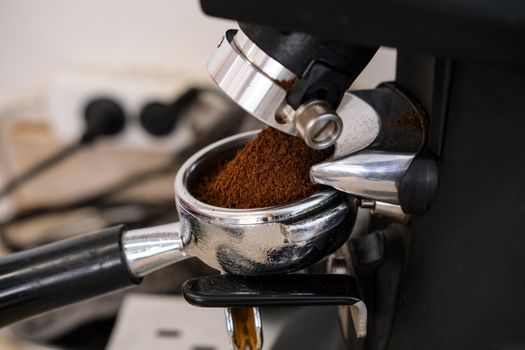
Store beans in an airtight container away from light and heat. Grind fresh just before brewing, using a high-quality burr grinder set to an espresso-fine consistency.

Unlocking Flavor: Why Bean Choice Matters for Your Espresso Machine

The quest for the perfect shot of espresso begins long before you tamp the portafilter – it starts with the humble coffee bean. For those who own an espresso machine, understanding the nuances of coffee beans isn't just a hobby; it's the bedrock of a truly exceptional coffee experience. Unlike drip coffee or French press, espresso extraction is a high-pressure, high-temperature process that demands specific characteristics from your beans to yield that rich, concentrated elixir we all love. The wrong bean can lead to a bitter, sour, or watery shot, while the right one can transform your home into a professional café. This isn't merely about personal preference; it's about chemistry and physics. The oils, sugars, and acids locked within each bean react differently under the intense pressure of an espresso machine. Beans that are too light or too dense, too fresh or too stale, will all behave unpredictably, making it difficult to achieve a balanced extraction. A dark roast, for instance, has had more time to develop its sugars and oils, which caramelize and contribute to the rich body and low acidity often associated with traditional espresso. Medium roasts, on the other hand, retain more of the bean's original characteristics, offering a brighter, more complex flavor profile that can shine in modern espresso preparations. The density of the bean also plays a crucial role. Harder, denser beans (often found in higher altitudes) can withstand the high-pressure environment better, leading to a more even extraction. Conversely, softer beans might over-extract quickly, resulting in bitterness. Furthermore, the freshness of your beans is non-negotiable. Coffee is an agricultural product, and like fresh produce, it has a shelf life for optimal flavor. Beans that are too fresh (right off the roaster) can still be degassing CO2, leading to an inconsistent crema. Beans that are too old will have lost much of their aromatic compounds and oils, resulting in a flat, lifeless shot. Aim for beans that are 7-21 days post-roast for the sweet spot of espresso perfection. Don't underestimate the impact of bean selection; it's the foundation upon which all other espresso-making techniques are built. Investing time in choosing the best coffee beans for your espresso machine will pay dividends in every delicious cup. It's the first and most critical step in becoming a true home barista, allowing you to unlock the full potential of your equipment and elevate your daily ritual.

The Roast Spectrum: Finding Your Espresso Sweet Spot

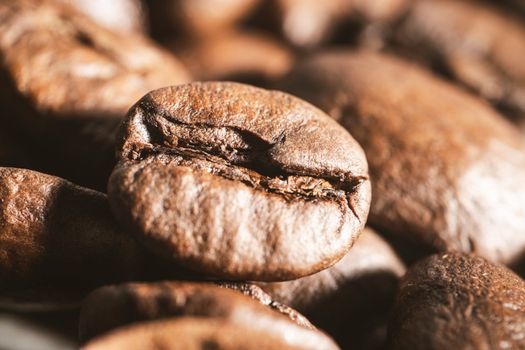
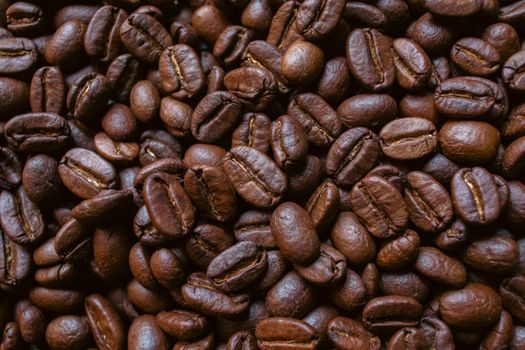
When it comes to selecting the best coffee beans for an espresso machine, understanding the roast spectrum is paramount. Coffee beans undergo a chemical transformation during roasting, developing their unique flavors, aromas, and physical characteristics. This transformation is precisely what dictates how they'll perform under the intense pressure of an espresso machine. Generally, roasts are categorized into light, medium, and dark, each offering a distinct experience. **Dark Roasts:** Traditionally, dark roasts have been the go-to for espresso. Think classic Italian or French roasts. These beans are roasted until they are dark brown, sometimes with an oily sheen. The longer roasting time caramelizes sugars and breaks down acids, resulting in a bold, full-bodied flavor with low acidity, often notes of dark chocolate, caramel, nuts, and a smoky finish. The oils on the surface contribute to a rich, persistent crema. Dark roasts are forgiving in espresso machines, as their inherent bitterness and robust body tend to stand up well to milk in lattes and cappuccinos. However, an overly dark roast can taste burnt or acrid if not extracted properly, and some nuanced flavors of the original bean may be lost. **Medium Roasts:** In recent years, medium roasts have gained significant popularity for espresso, particularly among specialty coffee enthusiasts. These beans are roasted to a medium brown color, often without an oily surface. Medium roasts strike a balance between the bean's inherent origin characteristics and the flavors developed during roasting. They offer a more complex and nuanced flavor profile, with brighter acidity, fruitier notes, and a cleaner finish than dark roasts. You might find hints of berries, citrus, floral notes, or brighter chocolate tones. While they can be more challenging to dial in on an espresso machine due to their higher acidity and density, when done right, medium roasts can produce incredibly vibrant and expressive espresso shots that truly showcase the bean's origin. They are excellent for those who prefer their espresso neat or in drinks where the coffee flavor is meant to shine through. **Light Roasts:** While less common for traditional espresso, some adventurous baristas and roasters are experimenting with light roasts. These beans are roasted just enough to develop, retaining most of their original green bean characteristics. They are often very acidic, bright, and fruity, with a delicate body. For espresso, light roasts require extremely precise grinding and extraction parameters, as they are prone to sourness and underextraction. They can produce incredibly unique and exciting shots, but they are generally not recommended for beginners or those seeking a classic espresso profile. Their high acidity also might curdle milk in some preparations. Ultimately, the 'best' roast level depends on your personal taste preferences and what you want from your espresso. Many roasters now offer 'espresso blends' which are often medium-dark, designed to combine the best attributes of both medium and dark roasts, offering balance, body, and intriguing flavors that perform consistently in an espresso environment. Experimentation is key to finding your perfect roast within the spectrum.

Single Origin vs. Blends: Crafting Your Signature Espresso Profile

The choice between single-origin coffee beans and espresso blends is a pivotal decision for any home barista seeking the best coffee beans for their espresso machine. Each approach offers a distinct philosophy and resulting flavor profile, allowing you to tailor your espresso experience to your exact preferences. Understanding the differences is crucial for consistently pulling delicious shots. **Single Origin Coffee Beans:** These beans come from a single, identifiable geographic location – a specific farm, region, or even a particular lot within a farm. The beauty of single-origin coffees lies in their ability to showcase the unique terroir of their origin. Factors like soil composition, altitude, climate, and processing methods all contribute to a distinct flavor profile that is often celebrated for its clarity and individuality. For espresso, single-origin beans can be incredibly rewarding. They allow you to explore a vast array of flavors, from bright, floral notes of an Ethiopian Yirgacheffe to the rich, chocolatey undertones of a Colombian Supremo, or the juicy acidity of a Kenyan AA. However, brewing single-origin beans as espresso can be more challenging. Their unique characteristics mean they often have a narrower 'sweet spot' for extraction. A slight adjustment in grind size or temperature can dramatically alter the flavor, leading to either exquisite complexity or an undesirable sour or bitter shot. They often require a more skilled hand and a good understanding of your machine to consistently bring out their best. Furthermore, their flavor profiles can be less forgiving when mixed with milk, as their delicate nuances might be overshadowed. **Espresso Blends:** Blends, on the other hand, are a thoughtful combination of two or more single-origin coffees, carefully selected and roasted to achieve a specific, balanced flavor profile. The art of blending lies in leveraging the strengths of different beans to create a harmonious and complex cup that is often greater than the sum of its parts. For instance, a blend might combine a full-bodied Brazilian bean for crema and chocolate notes, a bright Ethiopian bean for aromatic complexity, and a smooth Colombian bean for balance. The primary advantage of espresso blends is consistency and balance. Roasters design these blends specifically for espresso machines, aiming for a robust body, good crema production, and a flavor profile that holds up well whether enjoyed neat or with milk. They are often more forgiving to brew, providing a more consistent experience across various brewing conditions and skill levels. Many classic Italian espresso brands utilize blends to create their signature taste. Blends are excellent for those who want a reliable, well-rounded espresso that delivers a familiar and satisfying experience every time. They are also often more versatile, performing well in a variety of espresso-based drinks. While single-origin beans offer an exciting journey of discovery, blends provide a comforting consistency and a proven path to delicious espresso. Many home baristas find joy in experimenting with both, perhaps using a single-origin for a morning straight shot and a reliable blend for their afternoon latte. The key is to explore and find what truly excites your palate and complements your espresso machine's capabilities. Don't be afraid to try different options and see how they transform your daily coffee ritual. For more insights on sourcing, check out where to buy coffee beans.

Beyond the Bean: Critical Factors for Espresso Excellence

While selecting the best coffee beans for your espresso machine is undeniably the most crucial step, several other factors play an equally vital role in transforming those beans into a sublime shot of espresso. Neglecting these elements can undermine even the highest quality beans, leading to disappointing results. Understanding and mastering these aspects is what truly elevates a home barista from a novice to a connoisseur. **Freshness is King (and Queen):** We touched on this earlier, but it bears repeating: coffee beans are at their peak flavor for espresso extraction typically between 7 and 21 days after their roast date. Before 7 days, beans might still be off-gassing CO2, leading to an inconsistent or bubbly crema and potentially sour flavors. After 3-4 weeks, the delicate aromatic compounds and oils begin to degrade, resulting in a flat, lifeless, or stale-tasting shot. Always look for a 'roasted on' date, not a 'best by' date, when purchasing beans. Buy smaller quantities more frequently to ensure you're always brewing with fresh coffee. **The Grind: A Finer Point:** The quality and consistency of your grind are paramount for espresso. An espresso machine uses high pressure to force water through finely ground coffee. If the grind is too coarse, water will rush through too quickly, leading to an under-extracted (sour, weak) shot. If it's too fine, water will struggle to pass through, resulting in an over-extracted (bitter, burnt) shot. A high-quality burr grinder (not a blade grinder) is essential. It provides a uniform grind size, which is critical for even extraction. Furthermore, you need to adjust your grind size frequently, sometimes even daily, based on bean age, humidity, and the specific characteristics of your machine. Grind fresh, just before brewing, every single time. **Water Quality: The Unsung Hero:** Coffee is 98% water, so it stands to reason that the quality of your water will profoundly impact the taste of your espresso. Tap water, especially if it's hard or heavily chlorinated, can introduce off-flavors and minerals that interfere with extraction. Filtered water, free of impurities but with a balanced mineral content (around 100-150 ppm total dissolved solids), is ideal. Avoid distilled or reverse osmosis water, as they lack the necessary minerals to properly extract flavor from the coffee. **Dose, Tamp, and Temperature:** These are the final variables you control just before brewing. The dose (amount of ground coffee) needs to be consistent for reliable shots. Tamping evenly and with appropriate pressure ensures a compact, uniform puck that offers optimal resistance to the pressurized water. Finally, the brewing temperature is critical. Most espresso machines operate in a specific temperature range (typically 195-205°F or 90-96°C). Too hot, and you risk over-extraction and bitterness; too cold, and you'll get under-extraction and sourness. Many home espresso machines have limited temperature control, so understanding your machine's tendencies is key. Mastering these elements, in conjunction with choosing the right beans, will unlock the full potential of your espresso machine and your coffee, allowing you to consistently pull shots that rival your favorite café. **Common Espresso Machine Mistakes to Avoid:** * **Using pre-ground coffee:** It stales too quickly for quality espresso. * **Ignoring the 'roasted on' date:** Freshness is key, 'best by' dates are misleading. * **Inconsistent grind:** Leads to uneven extraction and poor flavor. * **Uneven tamping:** Creates channeling and an imbalanced shot. * **Not purging the group head:** Residual old coffee grounds or stale water can ruin a shot. * **Forgetting to clean your machine:** Oils build up, causing rancidity and affecting flavor. * **Over-extracting/Under-extracting:** Learn to recognize the signs (taste, flow rate, crema) and adjust. * **Using water directly from the tap:** Impurities can significantly degrade taste. * **Not experimenting:** Every bean and machine is different; find what works best for you.

Comparison

FeatureTraditional Espresso BlendMedium Roast Single OriginDark Roast Single Origin
Flavor ProfileBalanced, chocolate, caramel, nuttyBright, fruity, floral, acidicBold, smoky, bitter chocolate
Crema QualityExcellent, thick, persistentGood, often lighter, less persistentVery good, often oily sheen
Ease of Dialing InEasier, more forgivingMore challenging, preciseModerate, can be bitter if over-extracted
Best for Milk Drinks✗ (flavor can be lost)
Best for Straight Espresso✓ (for nuanced taste)✗ (can be overwhelming)
Acidity LevelLow to MediumMedium to HighVery Low
Bean OriginMultiple (e.g., Brazil, Ethiopia, Colombia)Single (e.g., Ethiopia, Kenya, Colombia)Single (e.g., Brazil, Indonesia)

What Readers Say

"These espresso beans transformed my morning routine. The rich, chocolatey notes make my lattes taste like they came from a high-end cafe. I'm finally getting consistent, beautiful crema!"

Sarah J. · Portland, OR

"I've tried so many different brands, but this blend is truly the best coffee beans for my espresso machine. The flavor balance is perfect, not too bitter, not too sour, just pure deliciousness."

Mark T. · Austin, TX

"As an aspiring home barista, finding the right beans was a game-changer. My extractions are smoother, and the flavor is incredibly vibrant, consistently yielding professional-quality shots."

Emily R. · New York, NY

"While excellent, these beans require a bit more dialing in than others I've used. Once I found the sweet spot for my grind, the fruity notes were incredible, but it took a few tries. Definitely worth the effort for the quality."

David L. · Denver, CO

"I primarily drink my espresso black, and these beans deliver. The complex flavors really shine through without any bitterness. My morning shot is now the highlight of my day thanks to these beans."

Jessica M. · San Francisco, CA

Frequently Asked Questions

What is the best roast level for espresso?

While traditional espresso often uses dark roasts for a bold, classic flavor, many specialty coffee enthusiasts now prefer medium to medium-dark roasts. These offer a more nuanced, balanced, and sometimes brighter flavor profile, showcasing the bean's origin characteristics. The 'best' depends on your personal taste preference and whether you drink your espresso neat or with milk.

Can I use any coffee beans for an espresso machine?

While technically you can use any coffee beans, not all beans are optimized for espresso. The high pressure and short extraction time of an espresso machine require beans with specific characteristics, such as a certain density and roast level, to achieve a balanced and flavorful shot. Using beans not suited for espresso can result in bitter, sour, or weak results.

How fine should I grind my coffee for espresso?

For espresso, you need a very fine grind, similar to powdered sugar or flour, but not so fine that it clumps excessively. The exact fineness will depend on your specific beans, machine, and desired extraction time (typically 25-30 seconds for a double shot). You'll need a high-quality burr grinder to achieve the necessary consistency.

Are expensive espresso beans always better?

Not necessarily. While higher-priced beans often indicate specialty-grade coffee, unique origins, or ethical sourcing, price doesn't guarantee a perfect shot for your machine or palate. Focus on freshness, roast quality, and reputable roasters over price alone. Experiment to find a balance between quality and value that suits you.

What's the difference between 'espresso roast' and other roasts?

'Espresso roast' typically refers to a darker roast profile, specifically developed to perform well under the high pressure of an espresso machine, often emphasizing body, crema, and low acidity. However, it's more of a marketing term; many medium and even some lighter roasts can make excellent espresso, especially if they are labeled as 'espresso blends' or 'recommended for espresso' by a specialty roaster.

Who should prioritize specific espresso beans?

Anyone who owns an espresso machine and wants to consistently pull high-quality, delicious shots should prioritize specific espresso beans. This includes home baristas, coffee enthusiasts, and anyone looking to elevate their daily coffee experience beyond generic supermarket options. It's crucial for maximizing the investment in an espresso machine.

Is there a risk of damaging my machine with the wrong beans?

Using the 'wrong' beans (e.g., extremely oily dark roasts) can lead to more frequent cleaning needs due to oil buildup, potentially clogging grinders or group heads over time. However, it's unlikely to cause immediate damage. The primary risk is a poor-tasting espresso and frustration, not mechanical failure.

What are future trends for espresso beans?

Future trends include a continued rise in popularity for lighter and medium roasts in espresso, emphasizing unique single-origin characteristics. There's also a growing focus on sustainable and ethically sourced beans, as well as innovative processing methods (e.g., anaerobic fermentation) that yield highly distinct flavor profiles, pushing the boundaries of what espresso can taste like.

Embark on your journey to espresso perfection today. By carefully selecting the best coffee beans for your espresso machine and understanding the critical factors that influence your brew, you're not just making coffee; you're crafting an experience. Explore, experiment, and savor every exquisite shot you pull.

Topics: best coffee beans for espresso machineespresso beansespresso coffee beanscoffee for espressohome espresso
Leo List
Brampton weed
Adultwork EstrelaBet Vai de Bet R7 Bet Betão Galera Bet Rainbet Bet9ja Shop SportyBet BetKing Sisal Loto Foot Hollywoodbets YesPlay Odibets RushBet Jugabet BetWarrior BetCity MSport betPawa Fortebet