✓ Freshly roasted beans are paramount for optimal espresso flavor.
✓ Medium to dark roasts are generally preferred for espresso.
✓ Arabica beans offer complex flavors, while Robusta adds crema and body.
✓ Grind size is crucial and should be adjusted for your specific machine.
✓ Single origin and blends offer distinct espresso experiences.
How It Works
1
Understand Your Palate
Before buying, consider what flavor notes you enjoy. Do you prefer chocolate, nuts, fruit, or floral undertones in your coffee?
2
Choose Roast Level Wisely
Espresso typically thrives with medium to dark roasts. Lighter roasts can be challenging to extract properly, while very dark roasts can taste bitter.
3
Select Bean Origin or Blend
Single-origin beans offer unique regional characteristics, while blends are crafted for balance and consistency. Experiment to find your preference.
4
Prioritize Freshness and Storage
Always buy freshly roasted beans and store them in an airtight container away from light and heat. This preserves their delicate flavors and aromas.
The Foundation of Flavor: Understanding Espresso Bean Characteristics
Photo: indra projects / Pexels
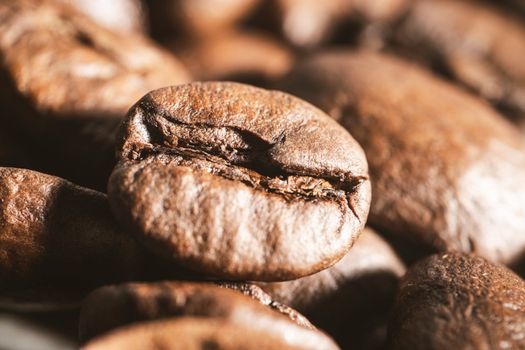
Crafting the perfect shot of espresso is an art form, and like any masterpiece, it begins with exceptional raw materials. When it comes to the best coffee beans for espresso machine use, understanding their fundamental characteristics is paramount. It’s not just about 'coffee beans'; it’s about the specific qualities that make them suitable for the unique, high-pressure extraction process of an espresso machine.
First and foremost, the species of coffee bean plays a significant role. The two dominant species are Arabica and Robusta. Arabica beans, originating from the Coffea arabica plant, are highly prized for their complex aromatic profiles, nuanced flavors, and often delightful acidity. They tend to have notes of fruit, chocolate, nuts, and flowers, making them a favorite for specialty coffee. However, Arabica beans typically contain less caffeine and produce less crema (the reddish-brown foam on top of an espresso shot) than Robusta.
Robusta beans, from the Coffea canephora plant, are known for their higher caffeine content, bolder body, and robust flavor. They contribute significantly to the rich, persistent crema that many espresso lovers cherish. While often described as having more rubbery or earthy notes, high-quality Robusta can add a desirable punch and depth to an espresso blend. Many of the best espresso blends combine Arabica and Robusta to achieve a balance of flavor complexity, body, and crema. The ratio can vary wildly, from 100% Arabica for a smoother, more aromatic shot to blends with 10-30% Robusta for added intensity and crema.
Beyond species, the origin of the bean profoundly impacts its flavor. Coffee grown in different regions, even within the same country, will exhibit distinct characteristics due to variations in altitude, soil composition, climate, and processing methods. For instance, Ethiopian Yirgacheffe Arabica might offer bright, floral, and citrus notes, while a Brazilian Arabica could present with chocolatey, nutty, and low-acid profiles. Indonesian Robustas, on the other hand, might contribute earthy, woody, and full-bodied characteristics. Exploring single-origin espresso can be a rewarding journey, revealing the unique terroir of specific coffee-growing regions. However, for a consistently balanced and classic espresso profile, carefully crafted blends are often preferred, as they combine different origins to achieve a harmonious and repeatable flavor.
Finally, the processing method – whether natural, washed, or honey – also leaves an indelible mark on the bean's final flavor. Washed coffees tend to be cleaner and brighter, natural coffees often exhibit more fruit-forward and fermented notes, and honey-processed coffees fall somewhere in between, offering sweetness and body. These layers of complexity mean that selecting the best coffee beans for your espresso machine is a deeply personal and exploratory process, demanding an appreciation for the nuances that each factor brings to your cup. Understanding these basics empowers you to make informed choices and truly unlock the potential of your espresso machine.
Roast Levels and Their Impact on Espresso Quality
Photo: Hannoversche Kaffeemanufaktur / Pexels
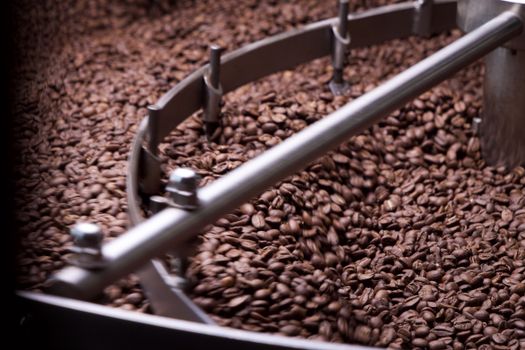
The roast level is arguably the most critical factor determining how well a coffee bean will perform in an espresso machine and, ultimately, how your shot will taste. Roasting transforms green coffee beans into the aromatic, flavorful beans we recognize, developing sugars, acids, and oils. For espresso, the roast level is a delicate balance, aiming to highlight desirable flavors without introducing bitterness or sourness. Generally, espresso beans fall into medium, medium-dark, and dark roast categories.
Light roasts, while popular for drip coffee and pour-overs to emphasize bright acidity and origin characteristics, are typically challenging for espresso. The high pressure and short contact time of an espresso shot mean that light roasts often result in sour, underdeveloped shots, lacking the body and balance expected from espresso. The acids haven't been sufficiently mellowed, and the sugars haven't fully caramelized, leading to an unbalanced extraction.
Medium roasts are often a sweet spot for many espresso enthusiasts. They retain much of the bean's original character while developing a richer body and sweetness. You'll find a wide array of flavor notes here, from chocolate and caramel to subtle fruit and nutty undertones. Medium roasts offer good solubility, making them easier to extract evenly and produce a balanced shot with a pleasant crema. They are versatile and can shine as a straight shot or in milk-based drinks, providing a good foundation without overpowering the milk.
Medium-dark roasts push the boundaries further, developing more pronounced roast characteristics. The beans will be darker in color, with some oil beginning to appear on the surface. These roasts offer a bolder, more intense flavor profile, often with notes of dark chocolate, toasted nuts, and a hint of smokiness. They generally produce a thicker body and a more robust crema, making them excellent for classic Italian-style espresso. They also stand up well to milk, providing a strong coffee presence in lattes and cappuccinos.
Dark roasts, characterized by a very dark brown, almost black appearance and often a significant sheen of oil, have the most pronounced roast flavors. While some traditional Italian espresso is made with very dark roasts, this level can be tricky. The intense roasting process can burn off many of the delicate origin flavors, replacing them with bitter, smoky, or even burnt notes. While they produce an abundance of crema and a very full body, there's a fine line between a rich, bold dark roast and one that tastes acrid or overly charred. For beginners, it's often safer to start with medium or medium-dark roasts to avoid potential bitterness and ensure a more forgiving extraction process. The key is to find a roast that complements your palate and your machine's capabilities, allowing you to consistently pull delicious, well-balanced shots.
Grinding and Freshness: Unlocking the Best from Your Beans
Photo: Tony Wu / Pexels
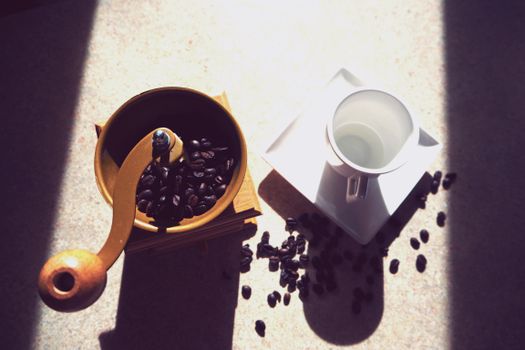
Even the best coffee beans for espresso machine use will fall short if not prepared correctly, and two factors stand above all others: grinding and freshness. These two elements are intrinsically linked and dictate the success of your espresso extraction. The journey from roasted bean to flavorful shot is a delicate race against time, and understanding how to manage it is crucial for any home barista.
**The Crucial Role of Grinding:** Grinding your coffee beans just before brewing is non-negotiable for espresso. Pre-ground coffee, even if labeled 'espresso grind,' begins to degrade rapidly once exposed to air. The volatile aromatics, which contribute significantly to espresso's flavor and aroma, dissipate quickly. An espresso machine requires an extremely fine, consistent grind. This fine grind provides adequate resistance to the high-pressure water, allowing for proper extraction of flavors and oils. If the grind is too coarse, water will rush through too quickly, resulting in an 'under-extracted' shot that tastes sour, weak, and watery, with little crema. If the grind is too fine, water will struggle to pass through, leading to an 'over-extracted' shot that tastes bitter, burnt, and often has a very thin, dark crema.
Investing in a quality burr grinder is perhaps the most significant upgrade you can make to your espresso setup. Blade grinders chop beans unevenly, creating a mix of fine dust and large chunks, which leads to inconsistent extraction. A conical or flat burr grinder, on the other hand, grinds beans uniformly, allowing for precise control over particle size. The ability to make minute adjustments to your grind setting is essential, as even slight changes in humidity, temperature, or bean age can affect the ideal grind. Learning to 'dial in' your grind – adjusting it based on shot time and taste – is a fundamental skill for any espresso enthusiast. For instance, if your shot pulls too fast (e.g., under 20 seconds for a 2 oz shot), your grind is likely too coarse. If it pulls too slow (e.g., over 30 seconds), it's probably too fine. Mastering your grinder is key to unlocking the full potential of your beans.
**The Imperative of Freshness:** Coffee beans are at their peak flavor within a few weeks of roasting. After roasting, beans undergo a process called 'degassing,' where they release carbon dioxide. This process is vital for good espresso extraction, as too much CO2 can lead to inconsistent flow and poor crema. However, after about 2-4 weeks, the beans start to lose their vibrant aromatics and oils. Always look for a 'roast date' on the bag, not a 'best by' date, and aim to use beans within 4-6 weeks of that date.
**Proper Storage:** Once you've purchased fresh beans, proper storage is crucial. The enemies of coffee freshness are air, light, heat, and moisture. Store your beans in an opaque, airtight container, ideally with a one-way valve to allow degassing while preventing oxygen from entering. Keep the container in a cool, dark place, away from direct sunlight and heat sources (like the top of your espresso machine). While some debate freezing coffee, it's generally best avoided for everyday use, as condensation can introduce moisture and degrade quality. For short-term storage (1-2 weeks), a good airtight container at room temperature is ideal. By prioritizing fresh, whole beans and grinding them precisely for each shot, you are laying the groundwork for consistently excellent espresso.
Navigating Blends vs. Single Origin and Common Espresso Mistakes
Photo: Sedanur Kunuk / Pexels
When choosing the best coffee beans for espresso machine brewing, a significant decision lies between opting for a blend or a single-origin coffee. Both offer distinct experiences, and understanding their differences will help tailor your espresso to your preferences.
**Blends:** Most commercial and traditional espresso offerings are blends. These are carefully crafted combinations of different coffee beans, often from various origins and sometimes even different species (Arabica and Robusta). The art of blending lies in creating a balanced, consistent flavor profile that performs reliably as espresso. Blenders aim for specific characteristics: some focus on a rich, chocolatey body, others on a vibrant, complex acidity, and many strive for a luxurious, stable crema. Blends offer consistency across seasons and harvests, as roasters can adjust the components to maintain a signature taste. They are often more forgiving to brew and provide a classic espresso experience, making them an excellent choice for daily use and for those who enjoy milk-based drinks where a robust coffee flavor needs to shine through.
**Single Origin:** As the name suggests, single-origin coffees come from a specific, identifiable geographic location – a single farm, cooperative, or region. These beans are celebrated for showcasing the unique terroir and processing methods of their origin, offering distinct and often more nuanced flavor profiles. For espresso, a single-origin bean can provide an adventurous and educational experience, highlighting notes of specific fruits, florals, or spices that are characteristic of that region. However, brewing single-origin espresso can be more challenging. Their unique acidity and sweetness profiles might require more precise adjustments to grind, temperature, and dose to extract optimally. They are often best enjoyed as a straight shot to fully appreciate their unique characteristics, as milk can sometimes overpower their delicate nuances. For the adventurous home barista, exploring single-origin espresso can be a deeply rewarding journey into the diverse world of coffee flavors.
**Common Espresso Bean Mistakes to Avoid:**
* **Buying Stale Beans:** As discussed, freshness is paramount. Avoid beans without a roast date or those past their prime. Stale beans result in flat, lifeless espresso with minimal crema.
* **Using Pre-Ground Coffee:** This is a cardinal sin for espresso. The quality degrades rapidly, leading to inconsistent and poor-tasting shots. Always grind fresh.
* **Ignoring Grind Size:** The wrong grind size is the most common reason for bad espresso. Too coarse = sour, watery. Too fine = bitter, choked shot. Invest in a good grinder and learn to adjust it.
* **Choosing the Wrong Roast Level:** While personal preference plays a role, ultra-light roasts are generally not suitable for traditional espresso, and overly dark roasts can be too bitter. Stick to medium to medium-dark for consistency.
* **Improper Storage:** Exposing beans to air, light, heat, or moisture will accelerate their staling. Use an airtight, opaque container in a cool, dark place.
* **Not Experimenting:** Don't be afraid to try different beans, roasts, and origins. Your perfect espresso bean might be one you haven't discovered yet. Experiment with small bags of different beans to find what you love.
Moderate, can be prone to bitterness if over-extracted
Can be challenging, requires precise dialing-in
What Readers Say
★★★★★
"After trying countless brands, I finally found the best coffee beans for my espresso machine. The Caffe Umbria Gusto blend delivers a consistent, rich shot every morning, perfect for my latte."
Sarah J. · Portland, OR
★★★★★
"These beans transformed my home espresso. The fresh roast date and balanced flavor profile of the Lavazza Super Crema mean I'm pulling café-quality shots without fail. Truly a game-changer."
Mark D. · Austin, TX
★★★★★
"I used to struggle with bitter espresso, but switching to a medium-dark blend from Counter Culture has made all the difference. My shots are now smooth, full-bodied, and have amazing crema."
Emily R. · New York, NY
★★★★★
"While I love the bright, fruity notes of some single origins, I've found that a well-balanced espresso blend is more reliable for my daily espresso machine routine. These beans are a solid 4.5 for consistency and flavor."
David L. · Denver, CO
★★★★★
"As a former barista, I'm picky about my espresso. These beans, a local roaster's signature blend, consistently produce the rich, complex shots I crave, making my home machine feel like a professional setup."
Jessica M. · Seattle, WA
Frequently Asked Questions
What is the single most important factor for the best coffee beans for an espresso machine?
The single most important factor is freshness. Always purchase beans with a clear roast date, ideally within 2-3 weeks of that date. Stale beans will produce flat, lifeless espresso with poor crema, regardless of their original quality or roast level.
Are dark roasts always best for espresso?
Not necessarily. While many traditional Italian espressos use dark roasts for a bold, intense flavor and thick crema, medium and medium-dark roasts are often preferred in specialty coffee for their complexity and balance. Very dark roasts can sometimes taste bitter or burnt if not handled carefully.
How should I store my espresso beans to keep them fresh?
Store your beans in an opaque, airtight container in a cool, dark place, away from direct sunlight and heat. Avoid storing them in the refrigerator or freezer for daily use, as temperature fluctuations and moisture can degrade quality. Use them within 4-6 weeks of the roast date.
Is it worth buying an expensive grinder for my espresso machine?
Absolutely. A high-quality burr grinder is one of the most critical investments for excellent espresso. It ensures a consistent, fine grind necessary for proper extraction. An inconsistent grind (from blade grinders) leads to uneven extraction and poor-tasting espresso, even with the best beans.
What's the difference between espresso beans and regular coffee beans?
There isn't a separate 'espresso bean' species. Any coffee bean can theoretically be used for espresso. However, beans labeled 'espresso roast' or 'espresso blend' are typically roasted to a medium-dark or dark level and/or blended to achieve a flavor profile and body that performs well under the high pressure of an espresso machine, often producing more crema and a richer taste than beans intended for drip coffee.
Who should prioritize single-origin beans for their espresso machine?
Home baristas who enjoy exploring unique, distinct flavor profiles and are willing to experiment with their brewing parameters should try single-origin beans. They are ideal for sipping straight espresso to appreciate nuanced notes of fruit, floral, or specific regional characteristics that might be masked in milk-based drinks.
Can I use light roast beans for espresso?
While possible, light roast beans are generally more challenging to extract properly for espresso. They tend to produce a very acidic, sour shot with less body and crema. They require extremely precise grinding and brewing techniques, making them less forgiving for most home espresso setups, especially for beginners.
What's the future trend for espresso beans?
The trend continues towards increased transparency, traceability, and sustainability in sourcing. Expect to see more nuanced single-origin offerings, innovative processing methods (like anaerobic fermentation), and a growing appreciation for 'espresso-optimized' blends that cater to specific flavor preferences beyond traditional Italian profiles, often leaning into lighter, more aromatic roasts while still ensuring good extraction.
Embark on your journey to espresso perfection by carefully selecting the best coffee beans for your espresso machine. With the right beans, proper grinding, and attention to freshness, you'll unlock a world of rich flavors and aromatic experiences right in your own kitchen. Start experimenting today and elevate your daily coffee ritual!