Unlock Health: The Amazing Benefits of a Mediterranean Diet
benefits of a Mediterranean diet

Unlock Health: The Amazing Benefits of a Mediterranean Diet

Embrace a lifestyle steeped in tradition and science, leading to remarkable improvements in your health and vitality.

Start Your Journey

Key Takeaways

  • ✓ Reduces risk of heart disease and stroke by up to 30%.
  • ✓ Linked to a longer lifespan and improved cognitive function.
  • ✓ Emphasizes whole, unprocessed foods like fruits, vegetables, and olive oil.
  • ✓ More than just a diet, it's a sustainable lifestyle choice.

How It Works

1
Prioritize Plant-Based Foods

Fill your plate with an abundance of fresh fruits, vegetables, whole grains, legumes, and nuts. These provide fiber, vitamins, and antioxidants essential for health.

2
Embrace Healthy Fats

Make extra virgin olive oil your primary source of fat. It's rich in monounsaturated fats and antioxidants, crucial for cardiovascular health.

3
Moderate Fish and Poultry

Incorporate fish and seafood several times a week for omega-3 fatty acids. Enjoy poultry in moderation, limiting red meat to only a few times a month.

4
Savor Meals with Others

The Mediterranean diet is also about the experience of eating. Share meals with family and friends, fostering a sense of community and mindful consumption.

The Cardiovascular Advantages of Mediterranean Eating

A heart-shaped bowl filled with fresh strawberries and daisies on a wooden surface, captured from above. Photo: Susanne Jutzeler, suju-foto / Pexels
The cornerstone of the benefits of a Mediterranean diet lies in its profound impact on cardiovascular health. For decades, research has consistently pointed to this eating pattern as a formidable defense against heart disease, stroke, and high blood pressure, conditions that plague millions across the United States. At its core, the Mediterranean diet champions foods rich in monounsaturated fats, particularly from extra virgin olive oil, which plays a pivotal role in lowering LDL ('bad') cholesterol levels while potentially raising HDL ('good') cholesterol. This balance is critical for maintaining healthy arteries and preventing the buildup of plaque, a primary contributor to atherosclerosis. Beyond olive oil, the diet's emphasis on omega-3 fatty acids, predominantly found in fatty fish like salmon, mackerel, and sardines, further bolsters heart health. Omega-3s are renowned for their anti-inflammatory properties, ability to reduce triglycerides, and support for regular heart rhythm. These combined effects work synergistically to improve overall cardiac function and reduce the risk of adverse cardiovascular events. Furthermore, the abundance of fiber from whole grains, legumes, fruits, and vegetables contributes significantly to cardiovascular well-being. Dietary fiber helps manage blood sugar levels, which in turn reduces the risk of type 2 diabetes, a major risk factor for heart disease. It also aids in cholesterol excretion, further protecting the arteries. The high intake of antioxidants from colorful produce, herbs, and spices found in the Mediterranean diet combats oxidative stress, a process that can damage cells and contribute to heart disease progression. These antioxidants, such as polyphenols and carotenoids, act as protective shields, neutralizing harmful free radicals in the body. Choosing this way of eating isn't just about avoiding unhealthy foods; it's about actively nourishing your heart with every meal, fostering resilience and longevity. This holistic approach to nutrition underscores why medical professionals frequently recommend adopting a heart-healthy eating plan like the Mediterranean diet for primary and secondary prevention of cardiovascular disease. The cumulative effect of these dietary choices creates an internal environment less prone to inflammation, arterial damage, and metabolic dysfunction, setting a strong foundation for a long and healthy life.

Unlocking Longevity and Cognitive Resilience
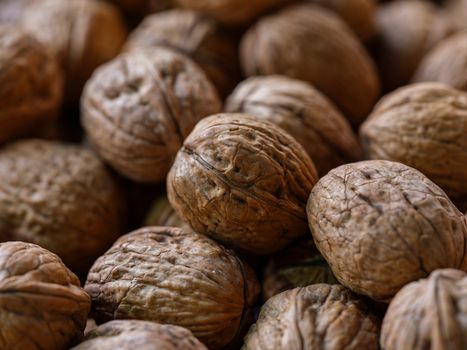
Macro shot highlighting texture of fresh organic walnuts. Ideal for health and food themes. Photo: Engin Akyurt / Pexels
Beyond heart health, another compelling aspect of the benefits of a Mediterranean diet is its strong association with increased longevity and enhanced cognitive function. Studies consistently show that individuals adhering to this eating pattern tend to live longer, healthier lives, often experiencing a higher quality of life into their later years. This isn't merely about extending lifespan, but about 'healthspan' – the period of life spent in good health, free from chronic disease and disability. The diet's rich supply of antioxidants, anti-inflammatory compounds, and essential nutrients is believed to play a critical role in combating the cellular damage and chronic inflammation that are hallmarks of aging. By protecting cells from oxidative stress and reducing systemic inflammation, the Mediterranean diet helps to slow down the aging process at a cellular level, potentially delaying the onset of age-related diseases. Crucially, the Mediterranean diet is also a powerful ally for brain health. The brain, being a highly metabolically active organ, is particularly vulnerable to oxidative damage and inflammation. The healthy fats, such as those found in olive oil and fatty fish, are vital for brain structure and function. Omega-3 fatty acids, in particular, are integral components of brain cell membranes and are essential for neurotransmitter function, memory, and learning. Furthermore, the constant influx of vitamins, minerals, and phytonutrients from fruits, vegetables, nuts, and whole grains supports optimal brain function, protecting against cognitive decline. Research has linked adherence to the Mediterranean diet with a reduced risk of developing neurodegenerative diseases like Alzheimer's and Parkinson's, as well as improved cognitive performance in older adults. The consistent nourishment of the brain with these vital nutrients helps maintain neural pathways, protect against brain atrophy, and enhance overall mental acuity. This makes the Mediterranean diet not just a path to a longer life, but to a more vibrant and intellectually engaged one, ensuring that the years added are rich with clear thought and cherished memories.

You may also find Adultwork.me.uk useful.

Battling Chronic Disease and Promoting Gut Health

A flat lay of fresh ingredients including bread, strawberries, and avocado on marble. Perfect for food and lifestyle imagery. Photo: Elle Hughes / Pexels
The benefits of a Mediterranean diet extend significantly into the realm of chronic disease prevention and the promotion of a robust gut microbiome. This dietary pattern is a formidable tool in the fight against several prevalent chronic conditions, including type 2 diabetes and certain cancers. Its emphasis on low glycemic index foods – whole grains, legumes, and most fruits and vegetables – helps stabilize blood sugar levels, reducing the risk of insulin resistance and the development of type 2 diabetes. The fiber content further contributes to this by slowing down sugar absorption. For cancer prevention, the abundance of antioxidants and phytochemicals from a diverse array of plant-based foods offers significant protection. These compounds have been shown to neutralize carcinogens, inhibit cancer cell growth, and reduce inflammation, which is often a precursor to cancer development. Studies suggest that adherence to a Mediterranean diet can lower the risk of various cancers, including colorectal, breast, and prostate cancer, by providing a constant supply of protective agents that work at a cellular level to maintain health and prevent uncontrolled cell proliferation. Moreover, the Mediterranean diet plays a crucial role in cultivating a healthy gut microbiome, which is increasingly recognized as central to overall health, influencing everything from digestion and immunity to mood and metabolism. The diet’s high fiber content acts as a prebiotic, feeding beneficial gut bacteria and promoting their growth. A diverse and thriving gut microbiome is associated with improved digestive health, enhanced nutrient absorption, and a stronger immune system. The consumption of fermented foods, though not a core component, often naturally occurs in Mediterranean cultures, further aiding gut health. By fostering a balanced gut environment, the Mediterranean diet helps reduce inflammation throughout the body, which is a common underlying factor in many chronic diseases. This systemic anti-inflammatory effect is one of the most powerful and far-reaching benefits of this eating pattern. Understanding the profound connection between diet, gut health, and chronic disease underscores why adopting a Mediterranean lifestyle is so much more than just a diet; it’s a comprehensive approach to long-term wellness and disease prevention. It empowers the body's natural defense mechanisms, fostering resilience against the challenges of modern life.

Practical Tips for Adopting a Mediterranean Lifestyle

A focused image showing olive oil being poured from a bottle into a pan during cooking. Photo: RDNE Stock project / Pexels
Transitioning to a Mediterranean diet doesn't require an overnight overhaul; it's a gradual and enjoyable process. Here are practical tips to help you seamlessly integrate the benefits of a Mediterranean diet into your daily life: * **Embrace Olive Oil:** Make extra virgin olive oil your primary cooking fat and use it generously for dressing salads and dipping bread. It's not just a fat; it's a flavor enhancer and a nutritional powerhouse. * **Prioritize Plants:** Aim for at least 5-7 servings of fruits and vegetables daily. Incorporate a variety of colors and textures. Legumes (beans, lentils, chickpeas) and nuts should also become staples in your pantry. * **Rethink Your Grains:** Swap refined grains for whole grains like whole wheat bread, brown rice, quinoa, and oats. These provide sustained energy and essential fiber. * **Increase Fish Intake:** Try to eat fish or seafood at least twice a week. Focus on fatty fish for omega-3s, but all types are beneficial. Grilling, baking, or poaching are preferred cooking methods. * **Limit Red Meat:** Reduce your consumption of red meat to a few times a month, if at all. When you do eat it, opt for lean cuts and smaller portions. * **Dairy in Moderation:** Enjoy dairy products like yogurt and cheese in moderate amounts, often as part of a meal or snack. Opt for plain, unsweetened varieties. * **Hydrate and Sip Responsibly:** Water is your primary beverage. If you consume alcohol, red wine in moderation (one glass for women, two for men per day) is often part of the Mediterranean tradition, but it's entirely optional. * **Enjoy Meals Socially:** The Mediterranean diet emphasizes the joy of eating with others. Share meals, slow down, and savor the experience. **Common Mistakes to Avoid:** * **Falling for 'Mediterranean-inspired' Processed Foods:** Always check labels. Many products claim to be Mediterranean but are high in sugar, unhealthy fats, and artificial ingredients. * **Over-consuming Olive Oil:** While healthy, olive oil is still calorie-dense. Use it generously, but be mindful of portion sizes if weight management is a concern. * **Neglecting Legumes and Nuts:** These are crucial sources of protein, fiber, and healthy fats. Don't skip them in favor of more animal protein. * **Ignoring the Lifestyle Aspect:** The Mediterranean diet is more than just food; it includes physical activity, rest, and social connections. Integrate these elements for full benefits.

Comparison

FeatureMediterranean DietStandard American DietKeto Diet
Primary Fat SourceExtra Virgin Olive OilProcessed Seed OilsAnimal Fats/Coconut Oil
Emphasis on PlantsHighLowLow
Whole GrainsHighModerate (refined)Very Low/None
Lean ProteinFish, Poultry, LegumesRed Meat, Processed MeatsHigh Fat Meats
Sugar IntakeLowHighVery Low
Chronic Disease PreventionExcellentPoorGood (short-term)
Sustainability
Gut Health SupportExcellentPoorModerate

What Readers Say

"Since switching to a Mediterranean diet, my cholesterol levels have significantly improved, and I feel more energetic. It's not a diet; it's a delicious way of life!"

Sarah J. · Austin, TX

"I used to suffer from constant inflammation and joint pain. The benefits of a Mediterranean diet have truly changed my life, reducing my pain and improving my overall mobility."

Mark P. · Boston, MA

"My doctor recommended this diet for my pre-diabetes. After six months, my blood sugar is stable, and I've lost 15 pounds without feeling deprived. It's incredibly effective!"

Jessica L. · Seattle, WA

"I love the focus on fresh ingredients and healthy fats. It took some adjustment to reduce red meat, but the variety of flavors keeps meals exciting and satisfying."

David R. · Miami, FL

"As a busy mom, I appreciate how simple and nourishing this eating plan is. My whole family enjoys the meals, and we all feel healthier and more vibrant."

Emily C. · Denver, CO

Frequently Asked Questions

What are the primary benefits of a Mediterranean diet for overall health?

The primary benefits include significantly reduced risk of heart disease and stroke, improved cognitive function and protection against neurodegenerative diseases, better blood sugar control and reduced risk of type 2 diabetes, and enhanced longevity due to its anti-inflammatory and antioxidant properties. It's a holistic approach to well-being.

Is the Mediterranean diet expensive to follow in the US?

While some specialty items can be pricey, the core components of the Mediterranean diet – vegetables, fruits, legumes, whole grains, and affordable fish like sardines – are generally cost-effective. Cooking at home and buying seasonal produce can make it very budget-friendly.

How quickly can I expect to see results from adopting a Mediterranean diet?

Individual results vary, but many people report feeling more energetic and experiencing improved digestion within a few weeks. Significant health markers like cholesterol levels or blood pressure may show positive changes within 3-6 months, with long-term benefits accumulating over years.

What are the key food groups to focus on in a Mediterranean diet?

The key food groups to prioritize are vegetables, fruits, whole grains, legumes (beans, lentils), nuts, seeds, and extra virgin olive oil. Fish and seafood are encouraged several times a week, while poultry, eggs, and dairy are consumed in moderation. Red meat and sweets are limited.

How does the Mediterranean diet compare to a low-carb diet for weight loss?

The Mediterranean diet is not primarily a weight-loss diet, but many people achieve sustainable weight loss due to its emphasis on whole, unprocessed foods and healthy fats that promote satiety. Unlike restrictive low-carb diets, it focuses on balance and sustainability, often leading to better long-term adherence and health outcomes beyond just weight.

Who should consider adopting the benefits of a Mediterranean diet?

Anyone looking to improve their overall health, prevent chronic diseases (especially heart disease and diabetes), enhance cognitive function, or simply adopt a more sustainable and enjoyable eating pattern would benefit greatly from the Mediterranean diet. It's suitable for most healthy adults.

Are there any risks or downsides to following a Mediterranean diet?

For most individuals, there are very few risks. However, individuals with specific allergies (e.g., to nuts or fish) need to be mindful. As with any dietary change, consulting a healthcare provider or registered dietitian is recommended, especially for those with pre-existing health conditions, to ensure it meets individual nutritional needs.

What role does physical activity play in the Mediterranean lifestyle?

Physical activity is an integral component of the Mediterranean lifestyle, not just the diet. Regular moderate exercise, like walking, cycling, or swimming, is encouraged daily. It complements the dietary benefits by further improving cardiovascular health, managing weight, and enhancing overall well-being and longevity.

Ready to transform your health and embrace a life of vitality? Start exploring the incredible benefits of a Mediterranean diet today and unlock a future filled with wellness, flavor, and longevity. Your journey to a healthier you begins now!

Topics: benefits of a Mediterranean dietMediterranean eating planheart-healthy dietlongevity dietanti-inflammatory foods
Leo List
Brampton weed
Adultwork