✓ Intermittent fasting is an eating pattern, not a diet focused on what to eat.
✓ It has shown promise for weight management by reducing overall calorie intake.
✓ Fasting can improve metabolic markers like insulin sensitivity.
✓ Autophagy, a cellular repair process, is stimulated during fasting periods.
How It Works
1
Choose Your Method
Select a fasting schedule that fits your lifestyle, such as 16/8, 5:2, or Eat-Stop-Eat. Consistency is key for optimal results.
2
Define Your Eating Window
During your non-fasting period, focus on nutrient-dense, whole foods. Avoid overeating or compensating for the fasting period with unhealthy choices.
3
Stay Hydrated
Drink plenty of water, black coffee, or unsweetened tea during your fasting window. This helps manage hunger and maintains electrolyte balance.
4
Listen to Your Body
Pay attention to hunger cues and energy levels. Adjust your fasting schedule as needed and consult a healthcare professional if you have concerns.
Understanding the Fundamentals of Intermittent Fasting for Health
Photo: hello aesthe / Pexels
Intermittent fasting (IF) isn't just another fad diet; it's an eating pattern that cycles between periods of eating and voluntary fasting. Unlike traditional diets that often dictate what you should eat, IF primarily focuses on when you eat, making it a flexible and sustainable approach for many. The core principle revolves around giving your body a break from constant digestion, allowing it to tap into stored energy reserves and initiate various cellular repair processes. This shift from a fed state to a fasted state triggers a cascade of metabolic changes that contribute to the myriad benefits associated with this eating style. When we eat frequently, our bodies are constantly producing insulin to manage blood sugar, primarily burning glucose for energy. However, during a fasted state, insulin levels drop, prompting the body to switch from burning glucose to burning stored fat for fuel. This metabolic flexibility is a cornerstone of IF's effectiveness, particularly for those looking to manage their weight and improve metabolic health.
One of the most widely recognized benefits of intermittent fasting diet is its potential for weight loss. By naturally shortening the eating window, many individuals find themselves consuming fewer calories overall without consciously restricting their food choices. This calorie deficit, combined with the body's increased fat-burning capabilities during fasting, can lead to significant and sustainable weight reduction. Beyond just shedding pounds, IF has been shown to be particularly effective at reducing visceral fat – the dangerous type of fat that surrounds organs and is linked to various chronic diseases. However, it’s crucial to emphasize that the quality of food consumed during the eating window remains paramount. Fasting should not be seen as an excuse to indulge in unhealthy, processed foods. Instead, pairing IF with a balanced, nutrient-dense diet amplifies its positive effects, promoting satiety and providing essential vitamins and minerals. The simplicity of IF, with its clear rules on eating times, often makes it easier to adhere to compared to complex dietary restrictions, fostering long-term success. Furthermore, the psychological shift from constant eating to structured eating can empower individuals to develop a healthier relationship with food, moving away from mindless snacking towards intentional nourishment. Understanding these fundamental mechanisms is the first step towards harnessing the full potential of intermittent fasting for improving overall health and well-being. For more information on healthy eating, check out our guide on balanced nutrition principles.
Metabolic and Cellular Benefits: Beyond Weight Loss
Photo: Google DeepMind / Pexels
While weight loss is a compelling motivator for many to try intermittent fasting, the benefits extend far beyond the scale, delving into profound metabolic and cellular improvements. One of the most significant metabolic advantages is enhanced insulin sensitivity. Chronic high insulin levels, often a result of frequent eating and high carbohydrate intake, can lead to insulin resistance, a precursor to type 2 diabetes. Intermittent fasting allows insulin levels to drop significantly during fasting periods, giving the pancreas a much-needed break and helping cells become more responsive to insulin again. This improvement in insulin sensitivity is crucial for better blood sugar control and reducing the risk of metabolic syndrome. Studies have consistently demonstrated that IF can lower fasting insulin levels and blood sugar, even in individuals who are not losing a significant amount of weight.
Another remarkable cellular process stimulated by intermittent fasting is autophagy. Autophagy, meaning 'self-eating,' is the body's natural way of cleaning out damaged cells, recycling cellular components, and generating new, healthier cells. Think of it as a cellular spring cleaning crew, removing cellular debris and dysfunctional proteins that can accumulate and contribute to aging and disease. When you fast, your body isn't busy digesting food, so it can dedicate more resources to these vital repair mechanisms. This cellular renewal process is believed to play a role in anti-aging, neuroprotection, and potentially even cancer prevention. By promoting the removal of damaged cells, autophagy contributes to overall cellular health and resilience, making your body more efficient and robust.
Furthermore, intermittent fasting has been shown to influence levels of Human Growth Hormone (HGH). During fasting periods, HGH levels can increase significantly. HGH is a crucial hormone for fat loss and muscle gain, playing a vital role in body composition. Higher HGH levels can help preserve lean muscle mass during weight loss, which is often a concern with traditional calorie-restricted diets. This combination of increased fat burning and muscle preservation makes IF a powerful tool for body recomposition. The impact of IF on various hormones and cellular pathways underscores its potential as a therapeutic intervention for a range of health conditions, moving beyond simple caloric restriction to a more holistic approach to health. These metabolic and cellular adaptations are what truly differentiate the benefits of intermittent fasting diet from conventional dieting strategies, offering a deeper level of biological optimization.
Cognitive Enhancement and Longevity Potential of Fasting
Photo: Amel Uzunovic / Pexels
The impact of intermittent fasting isn't limited to physical health; it also extends to significant cognitive benefits and holds promising implications for longevity. Many individuals who practice IF report increased mental clarity, focus, and improved mood. This cognitive boost can be attributed to several factors. During fasting, the body produces ketones, particularly beta-hydroxybutyrate (BHB), as an alternative fuel source when glucose is scarce. Ketones are not only an efficient fuel for the brain but also have neuroprotective properties. They can cross the blood-brain barrier and are thought to enhance brain function, improve memory, and protect against neurodegenerative diseases like Alzheimer's and Parkinson's. The brain thrives on a stable energy supply, and the transition to ketone metabolism during fasting provides this consistency, avoiding the energy dips often associated with fluctuating blood sugar levels after carbohydrate-heavy meals.
Beyond ketones, intermittent fasting also promotes brain-derived neurotrophic factor (BDNF), a protein often referred to as 'Miracle-Gro for the brain.' BDNF plays a critical role in neurogenesis (the growth of new brain cells), synaptic plasticity (the ability of synapses to strengthen or weaken over time), and the survival of existing neurons. Higher levels of BDNF are associated with improved learning, memory, and overall cognitive function. By boosting BDNF, IF contributes to a more resilient and adaptable brain, potentially staving off age-related cognitive decline. This neurological benefit makes the benefits of intermittent fasting diet particularly appealing for those seeking to optimize their mental performance and maintain cognitive vitality as they age.
The longevity aspect of intermittent fasting is an area of intense scientific research. While human studies on lifespan are challenging due to their duration, animal studies have consistently shown that caloric restriction and intermittent fasting can extend lifespan and healthspan (the period of life spent in good health). The mechanisms behind this include the activation of cellular repair pathways like autophagy, reduced oxidative stress, and improved metabolic health, all of which combat the hallmarks of aging. By optimizing cellular function, reducing inflammation, and promoting genetic expression associated with longevity, IF essentially helps slow down the aging process at a cellular level. It's not just about living longer, but about living healthier and more vibrantly into old age. For more insights into anti-aging strategies, you might find our article on antioxidant-rich foods beneficial.
Practical Tips for Starting and Sustaining Your Fasting Journey
Photo: www.kaboompics.com / Pexels
Embarking on an intermittent fasting journey can seem daunting at first, but with a few practical tips, you can integrate it seamlessly into your lifestyle and maximize the benefits of intermittent fasting diet. The first step is to choose a method that aligns with your daily routine. The 16/8 method, involving 16 hours of fasting and an 8-hour eating window, is often recommended for beginners due to its simplicity and flexibility. You might skip breakfast and have your first meal at noon, then finish eating by 8 PM. Other popular methods include the 5:2 diet (eating normally for 5 days and restricting calories to 500-600 on 2 non-consecutive days) or Eat-Stop-Eat (a 24-hour fast once or twice a week). Experiment to find what works best for you and your body.
**Tips for Success:**
* **Start Gradually:** Don't jump into a 24-hour fast on day one. Begin with shorter fasting windows and gradually extend them as your body adapts.
* **Stay Hydrated:** This cannot be stressed enough. Drink plenty of water, black coffee, or unsweetened tea during your fasting window. This helps curb hunger and keeps you feeling full. Electrolyte-rich water (with a pinch of salt) can also be beneficial, especially in longer fasts.
* **Prioritize Nutrient-Dense Foods:** During your eating window, focus on whole, unprocessed foods. Lean proteins, healthy fats, fiber-rich vegetables, and complex carbohydrates will keep you satiated and provide essential nutrients. Avoid sugary drinks and highly processed snacks that can negate the positive effects of fasting.
* **Listen to Your Body:** Pay attention to hunger cues, energy levels, and how you feel. If you experience excessive fatigue, dizziness, or other adverse symptoms, adjust your schedule or consult a healthcare professional. Intermittent fasting should feel sustainable, not punishing.
* **Plan Your Meals:** Knowing what you'll eat during your eating window can prevent impulsive, unhealthy choices. Meal prepping can be a huge advantage.
* **Manage Expectations:** Initial hunger pangs are normal as your body adjusts. These usually subside after a few days or weeks. Don't get discouraged if you don't see immediate results; consistency is key.
* **Combine with Exercise:** Regular physical activity, especially strength training, can complement the benefits of IF by preserving muscle mass and boosting metabolism.
* **Seek Professional Advice:** If you have underlying health conditions, are pregnant or breastfeeding, or are taking medications, always consult your doctor before starting any new dietary regimen. Intermittent fasting is not suitable for everyone.
By incorporating these practical strategies, you can navigate your intermittent fasting journey effectively, unlock its full potential, and sustain a healthier lifestyle for the long term.
Comparison
Feature
Intermittent Fasting (IF)
Continuous Calorie Restriction (CCR)
Keto Diet
Primary Focus
When to eat
What/how much to eat
What to eat (low carb)
Weight Loss
✓ (often spontaneous)
✓ (requires tracking)
✓ (via ketosis)
Metabolic Flexibility
✓ (burns fat/glucose)
✗ (primarily glucose)
✓ (primarily fat)
Autophagy Boost
✓
✗ (less pronounced)
✗ (less pronounced)
Dietary Restrictions
Minimal (time-based)
Significant (calorie-based)
Significant (carb-based)
Sustainability
High (flexible)
Moderate (can be tedious)
Moderate (can be restrictive)
Mental Clarity
✓ (ketone benefits)
✗ (can have energy dips)
✓ (ketone benefits)
Muscle Preservation
✓ (HGH boost)
✗ (risk of loss)
✓ (if protein adequate)
What Readers Say
★★★★★
"The benefits of intermittent fasting diet have been life-changing for me. I've lost 20 pounds effortlessly and my energy levels are through the roof. I feel sharper and more focused than ever before!"
Sarah J. · Austin, TX
★★★★★
"I started IF for weight management, but the unexpected perk was how much better my digestion became. No more bloating, and I sleep so much better now. It truly is a holistic approach to health."
Mark T. · Chicago, IL
★★★★★
"After struggling with pre-diabetes for years, my doctor suggested exploring the benefits of intermittent fasting diet. My blood sugar levels are now stable, and my insulin sensitivity has improved dramatically. This has been a game-changer for my metabolic health."
Emily R. · Denver, CO
★★★★★
"Intermittent fasting has definitely helped me control my snacking habits and reduce overall calorie intake. It took a few weeks to adjust to the fasting window, but now it feels natural. I've seen steady progress in my body composition, though it wasn't a magic bullet overnight."
David L. · Miami, FL
★★★★★
"As a busy professional, the simplicity of intermittent fasting works perfectly. I don't have to count calories, just stick to my eating window. I've noticed a significant improvement in my concentration during work, which I attribute to the benefits of intermittent fasting diet."
Jessica M. · Seattle, WA
Frequently Asked Questions
What are the most significant benefits of intermittent fasting diet?
The most significant benefits include effective weight loss and fat reduction, improved metabolic health (e.g., better insulin sensitivity and blood sugar control), enhanced cellular repair processes like autophagy, increased human growth hormone levels, and potential cognitive improvements such as better focus and memory.
Is intermittent fasting safe for everyone?
While generally safe for healthy adults, intermittent fasting is not suitable for everyone. Pregnant or breastfeeding women, individuals with a history of eating disorders, those with certain medical conditions (like diabetes requiring medication), or people on specific medications should consult a doctor before starting IF.
How do I choose the best intermittent fasting schedule for me?
The best schedule depends on your lifestyle and preferences. The 16/8 method (16 hours fasting, 8 hours eating) is popular for beginners. You can also try 5:2 (two low-calorie days per week) or Eat-Stop-Eat (24-hour fasts once or twice a week). Start gradually and adjust as your body adapts.
Does intermittent fasting cost money?
Intermittent fasting itself does not cost money; in fact, it can potentially save money by reducing the number of meals you eat or discouraging impulse purchases. The value comes from the health improvements and potential for weight management without needing special foods or supplements.
How does intermittent fasting compare to traditional calorie restriction for weight loss?
While both can lead to weight loss, IF often achieves it by naturally reducing calorie intake through time-restricted eating, while also promoting metabolic flexibility and cellular repair. Traditional calorie restriction requires constant tracking and may not offer the same metabolic and cellular benefits like autophagy stimulation or HGH increase.
Who should specifically consider the benefits of intermittent fasting diet?
Individuals looking for sustainable weight loss, those aiming to improve metabolic markers like blood sugar and insulin sensitivity, people seeking enhanced mental clarity and focus, and anyone interested in exploring strategies for cellular health and healthy aging might find IF particularly beneficial.
Are there any risks or side effects of intermittent fasting?
Initial side effects can include hunger, headaches, fatigue, and irritability as your body adapts. These usually subside within a few days or weeks. More serious risks are rare but can include nutrient deficiencies if food choices during eating windows are poor, or adverse effects for individuals with pre-existing health conditions.
What is the future trend for intermittent fasting in health and wellness?
Intermittent fasting is gaining significant traction and is likely to become a more integrated and personalized approach in health and wellness. Future trends may involve more sophisticated research into its impact on specific diseases, personalized fasting protocols based on genetics, and a greater emphasis on combining IF with optimal nutrition and lifestyle for holistic well-being.
Ready to experience the transformative benefits of intermittent fasting diet for yourself? Start exploring the method that suits you best today and embark on a journey towards a healthier, more vibrant you.

 Photo: hello aesthe / Pexels
 Photo: Google DeepMind / Pexels
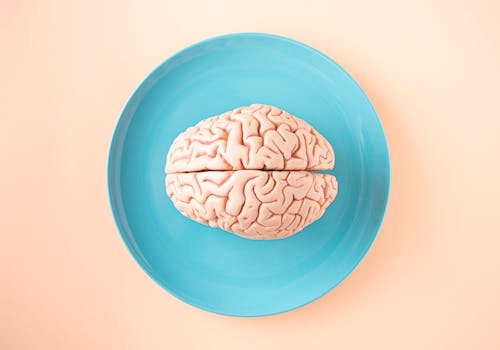 Photo: Amel Uzunovic / Pexels
 Photo: www.kaboompics.com / Pexels