✓ Fermented foods are rich in beneficial probiotics.
✓ They enhance nutrient absorption and digestion.
✓ Many fermented foods boost the immune system.
✓ Fermentation can preserve food and create unique flavors.
How It Works
1
Microbes Transform Food
Beneficial microorganisms, like bacteria and yeasts, consume the sugars in food. This process breaks down complex compounds into simpler, more digestible forms.
2
Probiotic Production
As microbes ferment, they multiply, creating a diverse colony of probiotics. These live microorganisms are what impart many of the health benefits associated with fermented foods.
3
Nutrient Enhancement
Fermentation can increase the bioavailability of existing nutrients and even synthesize new vitamins. This makes the food more nutritious and easier for your body to utilize.
4
Flavor Development
Beyond health, fermentation creates complex and often tangy flavors. This unique taste profile makes fermented foods a delicious addition to various cuisines.
The Gut-Brain Axis: A Deeper Look at Digestive Health
Photo: SHVETS production / Pexels
The intricate connection between our gut and brain, often referred to as the gut-brain axis, is profoundly influenced by the foods we consume, especially fermented varieties. Our digestive system isn't just for processing food; it's home to trillions of microorganisms collectively known as the gut microbiota. This complex ecosystem plays a pivotal role in everything from nutrient absorption to immune function and even mood regulation. When this microbiota is healthy and diverse, it can communicate effectively with the brain, influencing neurotransmitter production and reducing inflammation throughout the body. Fermented foods are a powerhouse for nurturing this delicate balance. They introduce a wide array of beneficial bacteria, yeasts, and other microorganisms directly into your digestive tract. These probiotics help to crowd out harmful bacteria, maintain the integrity of the gut lining, and produce short-chain fatty acids (SCFAs) like butyrate, which serve as crucial fuel for colon cells and possess anti-inflammatory properties. For instance, consuming live-culture yogurt or kefir regularly can help replenish beneficial bacteria that might be depleted due to stress, antibiotic use, or a poor diet. This replenishment is vital because a healthy gut barrier prevents toxins and undigested food particles from entering the bloodstream, a condition often referred to as 'leaky gut' syndrome. Furthermore, research increasingly suggests that a balanced gut microbiome can positively impact mental health. Many neurotransmitters, including serotonin (a key mood regulator), are primarily produced in the gut. By supporting a healthy gut environment, fermented foods can indirectly contribute to improved mood, reduced anxiety, and better cognitive function. The regular intake of diverse fermented foods, such as sauerkraut, kimchi, and kombucha, helps to cultivate a robust and resilient gut microbiome. This diversity is key, as different fermented foods offer different strains of probiotics, each with unique benefits. Think of it as building a strong, multifaceted defense system within your digestive tract. The enhanced digestive enzyme activity resulting from fermentation also means that your body can more efficiently break down and absorb nutrients from all the foods you eat, not just the fermented ones. This synergistic effect underscores why a balanced diet rich in whole foods, complemented by fermented options, is so crucial for optimal health. The journey to a healthier gut begins with understanding its importance and intentionally incorporating foods that support its intricate workings. By prioritizing fermented foods, you're not just eating for your stomach; you're eating for your brain and overall well-being. This profound impact on the gut-brain axis makes fermented foods an indispensable component of a truly health-conscious lifestyle. The benefits extend far beyond simple digestion, touching upon systemic health in ways we are only just beginning to fully understand.
Boosting Your Immune System with Probiotic Power
Photo: Nataliya Vaitkevich / Pexels
A significant portion of our immune system, estimated to be around 70-80%, resides in the gut. This makes the health of our digestive tract inextricably linked to our body's ability to ward off illness and maintain overall immunity. The live and active cultures found in fermented foods act as powerful allies in fortifying this internal defense system. When we consume fermented foods, we introduce a continuous supply of beneficial microorganisms that interact with the immune cells lining our intestinal walls. These probiotics don't just passively exist; they actively modulate immune responses. They can stimulate the production of antibodies, enhance the activity of natural killer cells, and regulate inflammatory pathways, all of which are crucial for a robust immune system. Consider the common cold and flu season. Studies have shown that regular consumption of probiotics from fermented foods can reduce the duration and severity of respiratory infections. By creating a healthier gut environment, these beneficial bacteria make it more challenging for pathogens to take hold and cause illness. They compete for resources and attachment sites, effectively acting as a protective barrier. Furthermore, fermented foods are often rich in vitamins and minerals that are essential for immune function. For example, some fermented dairy products can be good sources of Vitamin D, and the fermentation process itself can enhance the bioavailability of nutrients like Vitamin C and B vitamins, all of which play critical roles in supporting immune health. The anti-inflammatory properties of compounds produced during fermentation, such as short-chain fatty acids, also contribute to immune regulation. Chronic inflammation is a known disruptor of immune function, making the body more susceptible to disease. By helping to reduce systemic inflammation, fermented foods create a more balanced and responsive immune environment. Incorporating a variety of fermented foods into your diet, such as miso, tempeh, and traditional pickles (ensure they are lacto-fermented and not just vinegar-brined), provides a diverse range of probiotic strains. This diversity is key, as different strains offer different benefits and contribute to a more comprehensive immune defense. Think of it as assembling a highly specialized team of microscopic defenders within your body. This proactive approach to immune health, through dietary choices like fermented foods, is a foundational strategy for staying healthy year-round. It moves beyond simply reacting to illness and instead focuses on building a resilient internal ecosystem that is better equipped to handle external threats. The synergy between a healthy gut microbiome and a strong immune system is one of the most compelling reasons to embrace the world of fermented foods.
Enhanced Nutrient Absorption and Bioavailability
Photo: SHVETS production / Pexels
One of the less obvious, yet profoundly impactful, benefits of eating fermented foods is their ability to enhance nutrient absorption and bioavailability. This means that not only are you getting more nutrients from the fermented food itself, but your body is also better equipped to extract and utilize nutrients from other foods in your diet. The magic lies in the enzymatic activity of the microorganisms during the fermentation process. These microbes break down complex food components that our digestive systems might otherwise struggle with. For example, lactose, the sugar in milk, is often difficult for many adults to digest due to insufficient lactase enzyme production. However, in fermented dairy products like yogurt and kefir, the bacteria consume much of the lactose, making these foods much more digestible for individuals with lactose intolerance. Beyond breaking down indigestible compounds, fermentation can also unlock nutrients that are otherwise bound or less available. Phytic acid, found in grains and legumes, is a common example. It can bind to minerals like iron, zinc, and calcium, reducing their absorption. Fermentation, particularly in sourdough bread or fermented legumes, can significantly reduce phytic acid levels, thereby increasing the bioavailability of these essential minerals. Moreover, the fermentation process can synthesize new vitamins, especially B vitamins (like B12, riboflavin, and folate) and Vitamin K2. While the amount of B12 produced by fermentation might not always be sufficient to meet all dietary needs, it certainly contributes to the overall nutritional profile and is a significant advantage, particularly for those on plant-based diets who might struggle with B12 intake. The production of organic acids, such as lactic acid and acetic acid, during fermentation also plays a role. These acids can improve the absorption of minerals by creating a more acidic environment in the gut, which is favorable for mineral uptake. This is particularly true for iron and calcium, where acidic conditions can prevent them from forming insoluble compounds. The improved health of the gut lining, courtesy of the probiotics in fermented foods, further contributes to better absorption. A healthy, intact gut barrier is more efficient at selectively absorbing nutrients while preventing the entry of harmful substances. This holistic improvement in digestive function means that every meal you consume becomes more nourishing. By including foods like sourdough, tempeh, and various fermented vegetables, you're not just adding probiotics; you're supercharging your body's ability to extract the maximum nutritional value from your entire diet. This foundational benefit underscores why incorporating fermented foods is a smart and sustainable strategy for long-term health and well-being. For more on optimizing your diet, explore the fundamentals of healthy eating.
Practical Tips for Incorporating Fermented Foods and Common Mistakes to Avoid
Photo: ROMAN ODINTSOV / Pexels
Integrating fermented foods into your daily diet doesn't have to be complicated, but a strategic approach can maximize their benefits and help you avoid common pitfalls. Start small and gradually increase your intake. If you're new to fermented foods, begin with a small serving, perhaps a spoonful of sauerkraut or a quarter cup of kefir. Your gut microbiome needs time to adjust to the influx of new bacteria. Suddenly consuming large quantities can sometimes lead to temporary digestive upset. Diversity is key. Don't rely on just one type of fermented food. Each variety offers a unique blend of probiotic strains and nutritional benefits. Aim to include a rotation of different options like yogurt, kefir, kimchi, sauerkraut, tempeh, miso, and kombucha. Always check labels for 'live and active cultures' or 'unpasteurized' to ensure you're getting the beneficial microbes. Many commercially available fermented products, especially pickles and some yogurts, are heat-treated (pasteurized) to extend shelf life, which unfortunately kills the beneficial bacteria. Store fermented foods properly, usually in the refrigerator, to maintain the viability of the live cultures. Heat can destroy them, so avoid cooking them at high temperatures if your primary goal is probiotic intake. For instance, add sauerkraut to your sandwich after it's cooked, or stir miso into soup after it's removed from the heat.
Here are some common mistakes to avoid:
* **Overdoing it initially:** As mentioned, too much too soon can cause bloating or gas. Listen to your body and scale back if needed.
* **Relying on 'fermented' foods that aren't truly probiotic-rich:** Vinegar-brined pickles are not the same as lacto-fermented pickles. Always read ingredients.
* **Heating live fermented foods:** This destroys the beneficial bacteria. Consume them raw or add them at the end of cooking.
* **Ignoring variety:** Sticking to just one fermented food limits the diversity of your gut microbiome.
* **Expecting instant results:** Building a healthy gut takes time and consistent effort. Be patient and persistent.
* **Not considering personal health conditions:** If you have severe digestive issues, compromised immunity, or are on specific medications, consult a healthcare professional before making significant dietary changes. Some individuals might need to introduce fermented foods very slowly or opt for specific types.
By following these tips and being mindful of these common mistakes, you can effectively harness the power of fermented foods to enhance your health and well-being.
Comparison
Feature
Kefir
Sauerkraut
Kimchi
Yogurt (Live Cultures)
Probiotic Diversity
High
Medium
High
Medium
Dairy-Free Option
✗
✓
✓
✓ (coconut/almond-based)
Vitamin K2 Source
✓
✓
✓
✗
Digestive Enzymes
✓
✓
✓
✓
Taste Profile
Tangy, creamy
Sour, crunchy
Spicy, savory
Tangy, smooth
What Readers Say
★★★★★
"Since adding homemade kefir to my daily routine, my digestion has never been better. I used to feel sluggish after meals, but now I feel lighter and more energetic. It's a game-changer for gut comfort!"
Sarah J. · Austin, TX
★★★★★
"I was skeptical about fermented foods, but after incorporating kimchi into my dinners, I noticed a significant boost in my overall energy. My immune system also feels stronger; I haven't caught a cold in months."
Mark T. · Seattle, WA
★★★★★
"My chronic bloating used to be a real problem. After consistently eating lacto-fermented pickles and sourdough bread for a few weeks, the bloating has almost completely disappeared. It's a noticeable and welcome result!"
Emily R. · Denver, CO
★★★★★
"I've been experimenting with various fermented foods, and while some flavors took getting used to, the positive impact on my digestive regularity is undeniable. It's a worthwhile addition to a healthy diet."
David L. · Miami, FL
★★★★★
"As someone with a sensitive stomach, finding foods that agree with me is tough. Fermented foods, especially plain yogurt with live cultures, have been a blessing. They help keep my gut balanced and happy."
Jessica M. · Chicago, IL
Frequently Asked Questions
What are the primary benefits of eating fermented foods?
The primary benefits of eating fermented foods include improved digestive health due to the introduction of beneficial probiotics, enhanced immune system function, and increased nutrient absorption and bioavailability. They also contribute to a more diverse gut microbiome, which is linked to better overall health and even mood regulation.
Are all fermented foods good for you?
While most traditional fermented foods offer health benefits, it's crucial to distinguish between truly probiotic-rich options and those that are merely 'fermented' for flavor or preservation without live cultures. Always look for labels indicating 'live and active cultures' and avoid products that have been pasteurized after fermentation if you're seeking probiotic benefits.
How do I start incorporating fermented foods into my diet?
Begin by introducing small portions of one fermented food, such as a tablespoon of sauerkraut or a small serving of plain, live-culture yogurt, into your daily meals. Gradually increase the amount and variety as your digestive system adjusts. Listen to your body and diversify your choices over time to gain a wider range of probiotic strains.
Are fermented foods expensive?
While some artisanal fermented products can be pricier, many staple fermented foods like yogurt, kefir, and even making your own sauerkraut or kombucha can be quite affordable. The long-term health benefits often outweigh the initial cost, and homemade options can be very budget-friendly.
How do fermented foods compare to probiotic supplements?
Fermented foods offer a natural and often more diverse array of probiotic strains compared to many supplements. They also provide additional nutrients, enzymes, and fiber that supplements typically lack. While supplements can be beneficial in specific situations, fermented foods offer a holistic approach to gut health through whole-food nutrition.
Who should avoid eating fermented foods?
Most people can safely enjoy fermented foods. However, individuals with histamine intolerance, compromised immune systems, or those on certain medications (e.g., MAOIs) should consult a healthcare professional before significant dietary changes. Some people might also experience temporary digestive discomfort when first introducing them.
Can fermented foods cause bloating or gas?
When first introducing fermented foods, some individuals might experience mild bloating or gas. This is often a temporary adjustment as your gut microbiome adapts to the new bacteria. Starting with small portions and gradually increasing intake can help minimize these initial symptoms. If discomfort persists, consult a healthcare provider.
What are some emerging trends in fermented foods?
Beyond traditional options, emerging trends include a wider variety of plant-based fermented products like cashew-based yogurts and cheeses, fermented vegetable snacks, and innovative beverages beyond kombucha, such as water kefir and various fruit kvasses. There's also growing interest in specific, targeted probiotic strains being incorporated into fermented foods for particular health outcomes.
Embrace the transformative power of fermented foods and unlock a new level of health and vitality. Start your journey today to experience the profound benefits of eating fermented foods for your gut, immunity, and overall well-being. Your body will thank you!

 Photo: SHVETS production / Pexels
 Photo: Nataliya Vaitkevich / Pexels
 Photo: SHVETS production / Pexels
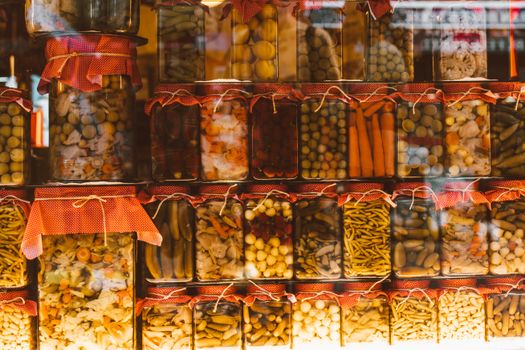 Photo: ROMAN ODINTSOV / Pexels